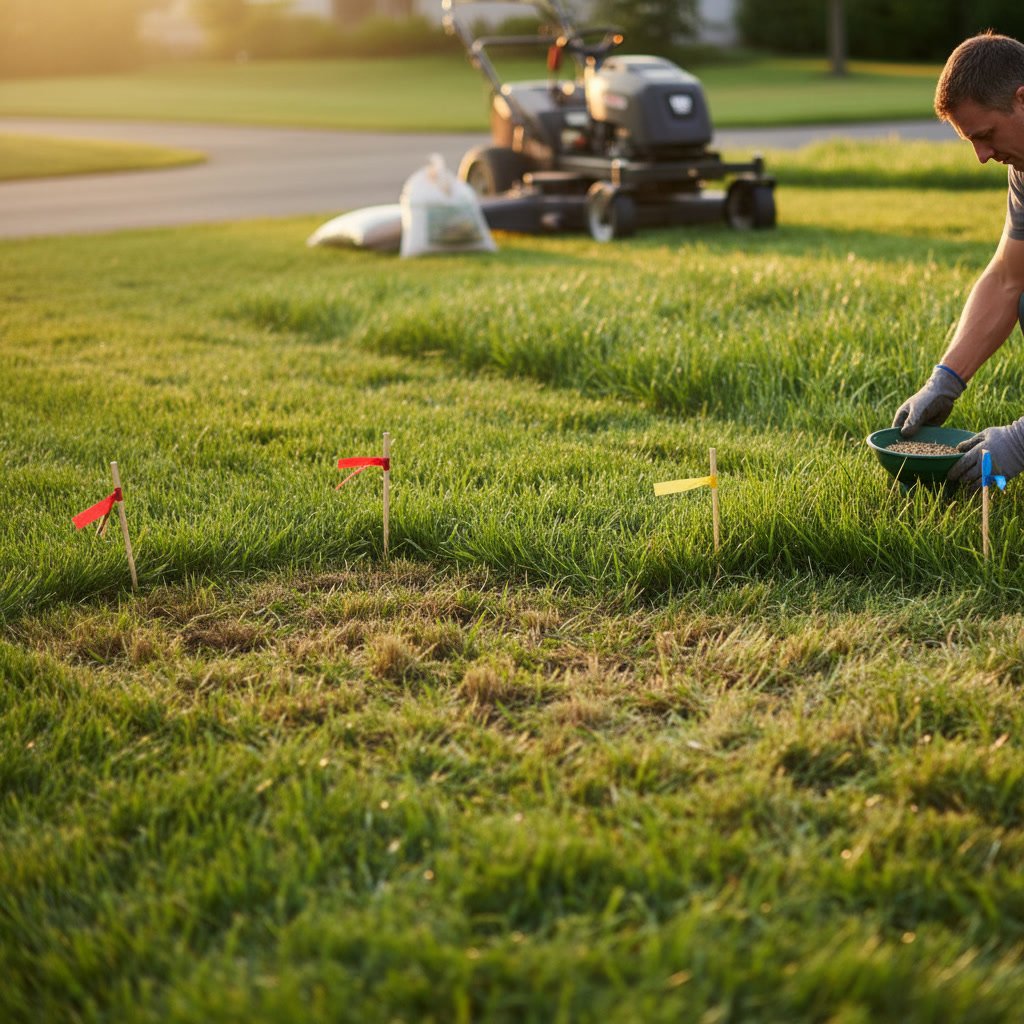
Mowing your grass too short or too long creates visible stress signals that most homeowners miss until the damage becomes severe. When you recognize wrong mowing height signs early, you can adjust your maintenance routine before your lawn develops bare patches, invasive weeds, or disease. The ideal cutting height varies by grass type, but most cool-season varieties in New England thrive between 2.5 and 3.5 inches tall.
Why Mowing Height Matters More Than Frequency
Most property owners focus on how often they mow while overlooking the single most important variable: blade height. Your grass uses its leaf blades to photosynthesize sunlight into energy. When you cut more than one-third of the blade length in a single session, you force the plant to divert energy from root development to top growth recovery. This creates a shallow root system that struggles during heat and drought.
Taller grass naturally shades the soil, reducing water evaporation and preventing weed seeds from germinating. Shorter grass exposes more soil to sunlight, creating ideal conditions for crabgrass and other invasive species to take hold. The difference between a 2-inch cut and a 3-inch cut might seem small, but it dramatically affects your lawn’s resilience throughout the growing season.
Your Lawn Turns Brown Between Waterings
Grass cut too short loses moisture rapidly because the reduced leaf surface cannot shade the soil effectively. If your lawn shows brown patches within 24 to 48 hours after watering, your mowing height is likely too low. Cool-season grasses like Kentucky bluegrass and perennial ryegrass need adequate blade length to maintain moisture in their root zones.
This problem intensifies during summer months when temperatures climb above 85 degrees. Shallow roots cannot access deeper soil moisture, and the grass enters dormancy prematurely. You might mistake this for a watering problem when the real issue is cutting height. Raising your mower deck by even half an inch can reduce water requirements by 20 to 30 percent.
Weeds Dominate Large Sections of Your Yard
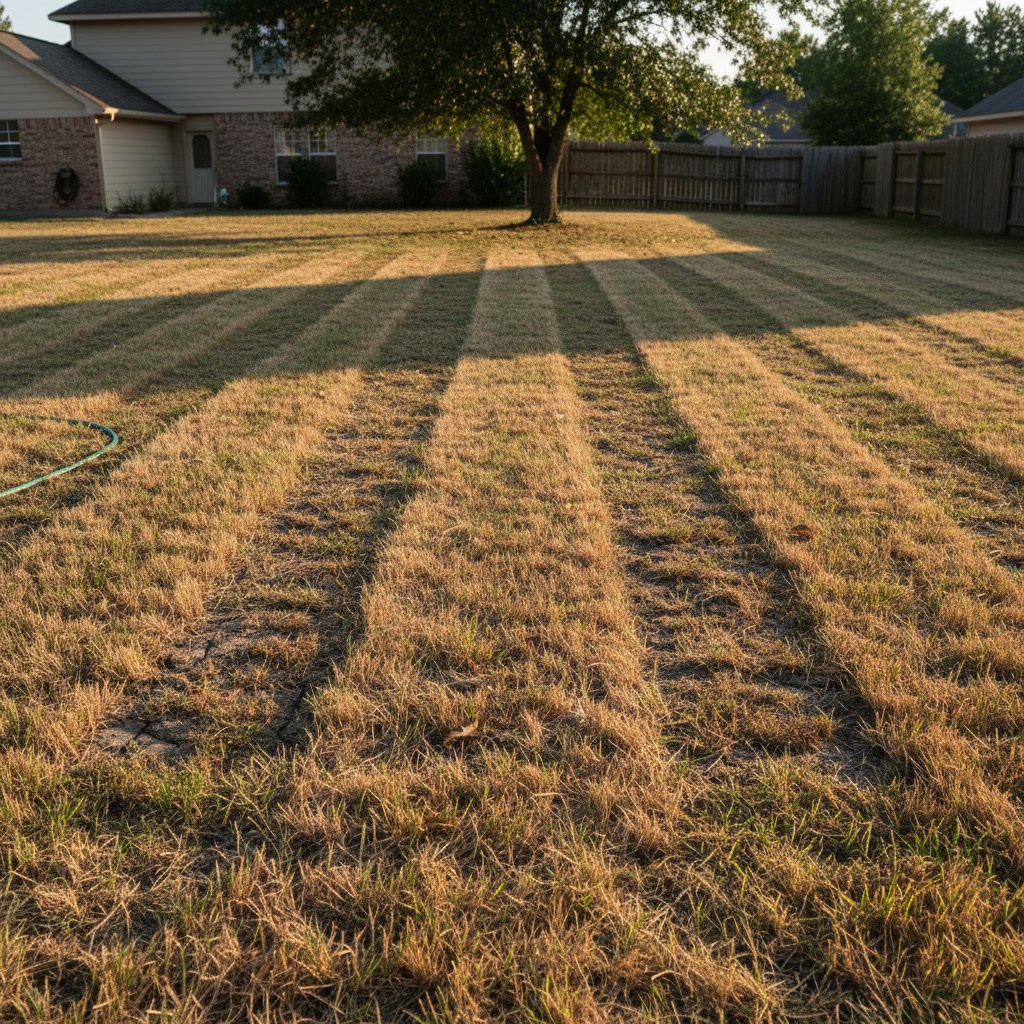
A thick, healthy lawn crowds out most weed species through simple competition for light and nutrients. When you spot dandelions, clover, or crabgrass spreading quickly despite regular maintenance, your grass is too short to compete. Weeds germinate in bare soil and exposed areas where sunlight reaches the ground.
Cutting grass below 2.5 inches creates gaps in the turf canopy that invite opportunistic weeds. These invaders establish root systems faster than stressed grass can recover. Professional Lawn Care & Maintenance services address both mowing height and weed pressure simultaneously to restore turf density.
Grass Blades Show Ragged, Brown Tips
Healthy mowing produces clean cuts that heal quickly with minimal browning. If your entire lawn displays a brown or grayish cast within hours of mowing, your mower blades are dull or you are cutting too much length at once. The ragged tears create entry points for disease and increase water loss through damaged tissue.
This symptom often appears when homeowners let grass grow too tall, then scalp it back to their preferred height in one session. The one-third rule applies regardless of how overgrown your lawn becomes. If your grass reaches six inches, cut it to four inches, wait three days, then reduce it to three inches in a second pass.
Bare Patches Appear in High Traffic Areas
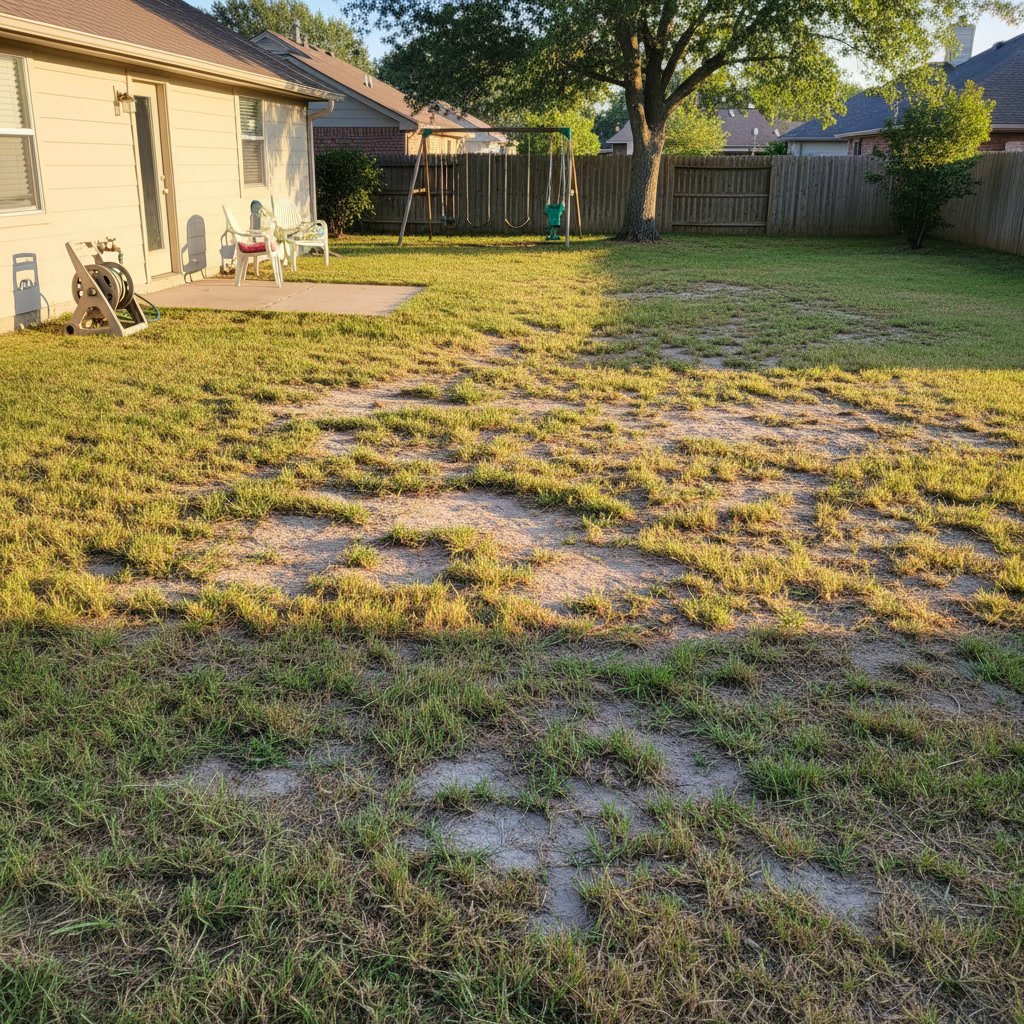
Grass cut too short cannot recover from foot traffic, pet activity, or regular use. The crown of the grass plant sits just above soil level. When you mow below 2 inches, you risk damaging these crowns and creating dead spots that never fill in naturally. High-traffic zones need taller grass to withstand wear.
These bare areas expand over time as surrounding grass weakens from repeated scalping. Grass Seeding can restore damaged sections, but the new growth will fail if you maintain improper mowing practices. Address the cutting height first, then repair the turf.
Your Lawn in Worcester Develops Disease More Often
Fungal diseases like dollar spot, brown patch, and red thread thrive on stressed turf. Grass mowed too short lacks the energy reserves to fight off infections. The shallow root systems cannot access nutrients efficiently, and the damaged leaf tissue provides easy entry for pathogens. You will notice circular brown patches, slimy residue, or unusual discoloration.
Proper mowing height is your first line of defense against lawn disease. Taller grass maintains better air circulation at the soil level and recovers faster from minor infections. If you notice recurring disease problems despite fungicide applications, evaluate your mowing routine before assuming you need chemical treatments.
Grass Thins Out Despite Regular Fertilization
Fertilizer cannot compensate for poor mowing practices. When grass cut too short receives nitrogen, it pushes excessive top growth while roots remain stunted. The result is a lawn that looks temporarily green but thins out within weeks. True turf density comes from healthy root development, which requires adequate blade length.
You might also notice that fertilized grass cut too short burns more easily during heat waves. The quick flush of growth depletes energy reserves faster than the shallow roots can replenish them. Understanding how lawn aeration works alongside proper mowing gives you better results than fertilizer alone.
Your Mower Scalps Uneven Terrain
If you have slopes, hills, or minor depressions in your yard, scalping becomes more common when your mower deck sits too low. The highest points get shaved to bare dirt while lower areas receive an acceptable cut. This creates a patchwork effect that weakens the entire lawn over time.
Raising your cutting height by one full inch often eliminates scalping on uneven ground. For severely rolling terrain, consider spot-adjusting your technique or investing in Residential Landscaping services that can grade problem areas for more consistent results.
Comparing Proper vs Improper Mowing Heights
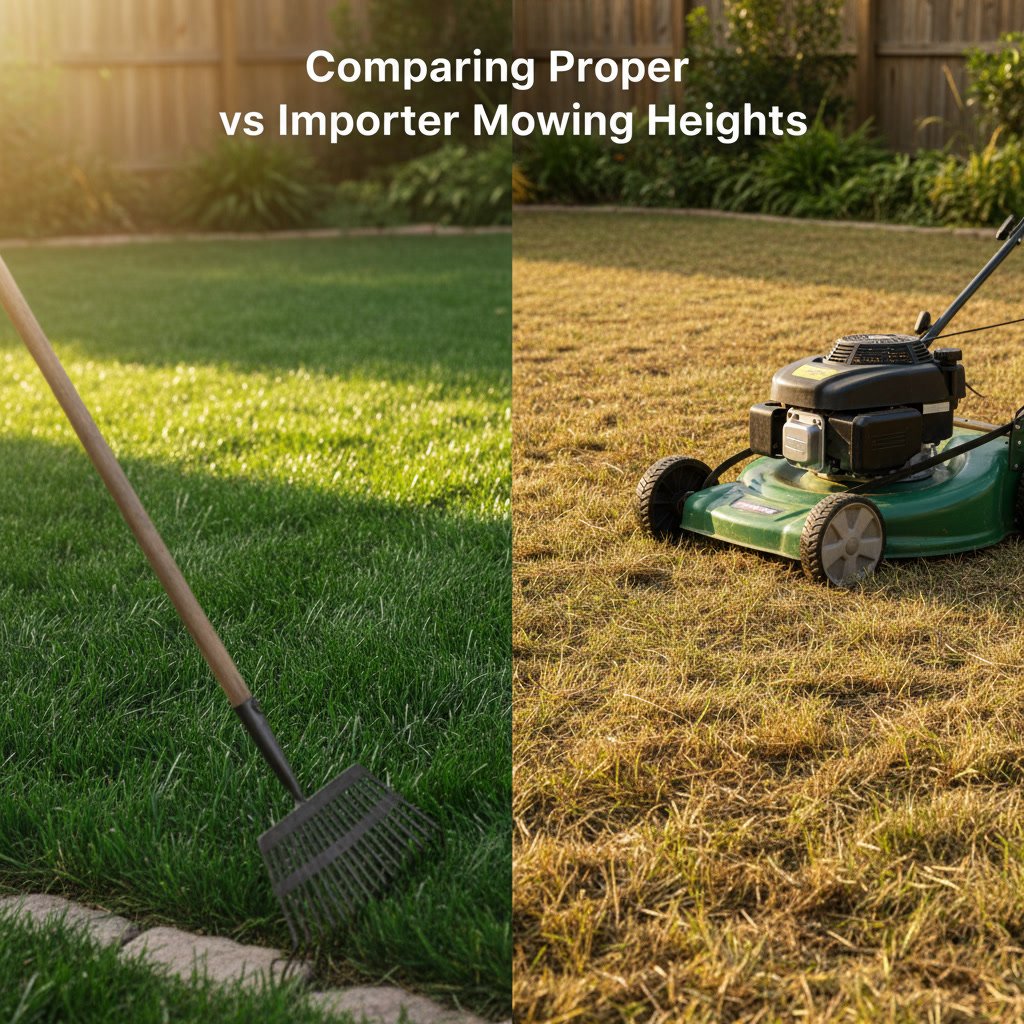
Here is what happens at different cutting heights for typical cool-season grasses:
- Below 2 inches: Shallow roots, rapid moisture loss, heavy weed pressure, frequent disease, poor wear tolerance
- 2 to 2.5 inches: Moderate stress during summer, some weed competition, acceptable for golf-quality turf with intensive management
- 2.5 to 3.5 inches: Optimal for residential lawns, strong roots, natural weed suppression, drought tolerance, healthy recovery from use
- Above 4 inches: Risk of matting, thatch buildup, increased humidity at soil level, potential for fungal issues in shaded areas
Most mowing problems disappear when you maintain grass between 2.5 and 3.5 inches year-round. Raise the deck to the upper end of this range during summer stress periods.
Grass Grows Back Faster After Each Cut
When you remove more than one-third of the blade length, grass responds by prioritizing rapid top growth to restore its photosynthetic capacity. This forces you into a cycle of frequent mowing and constant stress on the plant. If you find yourself mowing every three to four days to keep up, you are cutting too much length each time.
Proper height maintenance allows you to mow every seven to ten days during peak growing season. The grass maintains consistent energy reserves and develops deeper roots instead of constantly replacing lost leaf tissue. Professional services detailed in what happens during professional lawn maintenance typically establish mowing schedules based on growth rate rather than calendar dates.
Protecting Your Investment Through Better Practices
Recognizing these warning signs allows you to make simple adjustments that dramatically improve lawn health. Start by measuring your current cutting height with a ruler on flat, hard surface. Adjust your mower deck to 3 inches and maintain that height for four weeks while observing changes in color, density, and weed pressure.
Most residential properties see noticeable improvement within two to three weeks of correct mowing height. Grass develops deeper green color, recovers faster from foot traffic, and requires less water to stay healthy. The small effort of raising your mower deck prevents expensive renovation projects later.
J Landscape LLC has worked with homeowners throughout Worcester and surrounding communities for over 20 years, addressing lawn health issues that start with simple maintenance mistakes. Whether you need expert guidance on mowing practices or complete turf renovation, proper cutting height forms the foundation of every successful lawn program.
If your lawn shows any of these stress signals despite your best efforts, professional assessment can identify the specific factors affecting your property. Call +17742628973 to discuss your lawn care needs and schedule a consultation with J Landscape LLC.