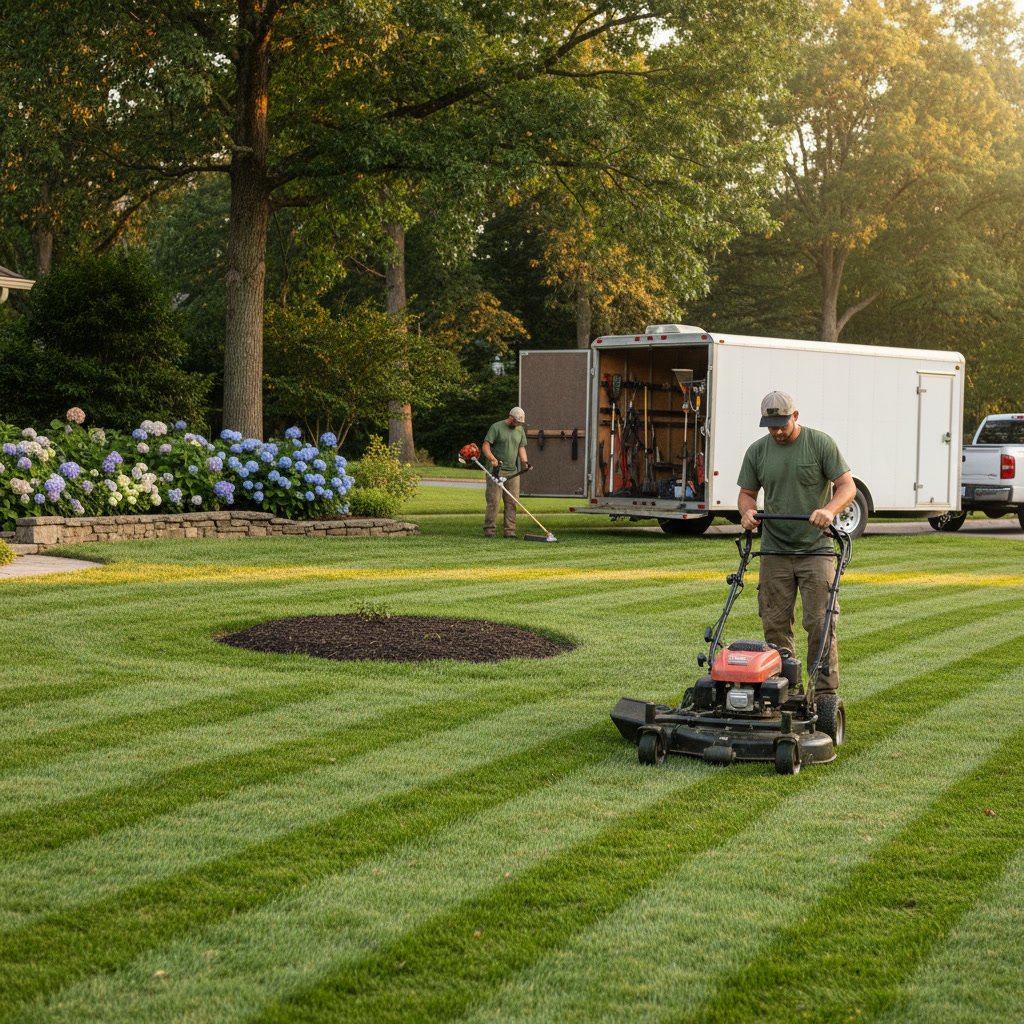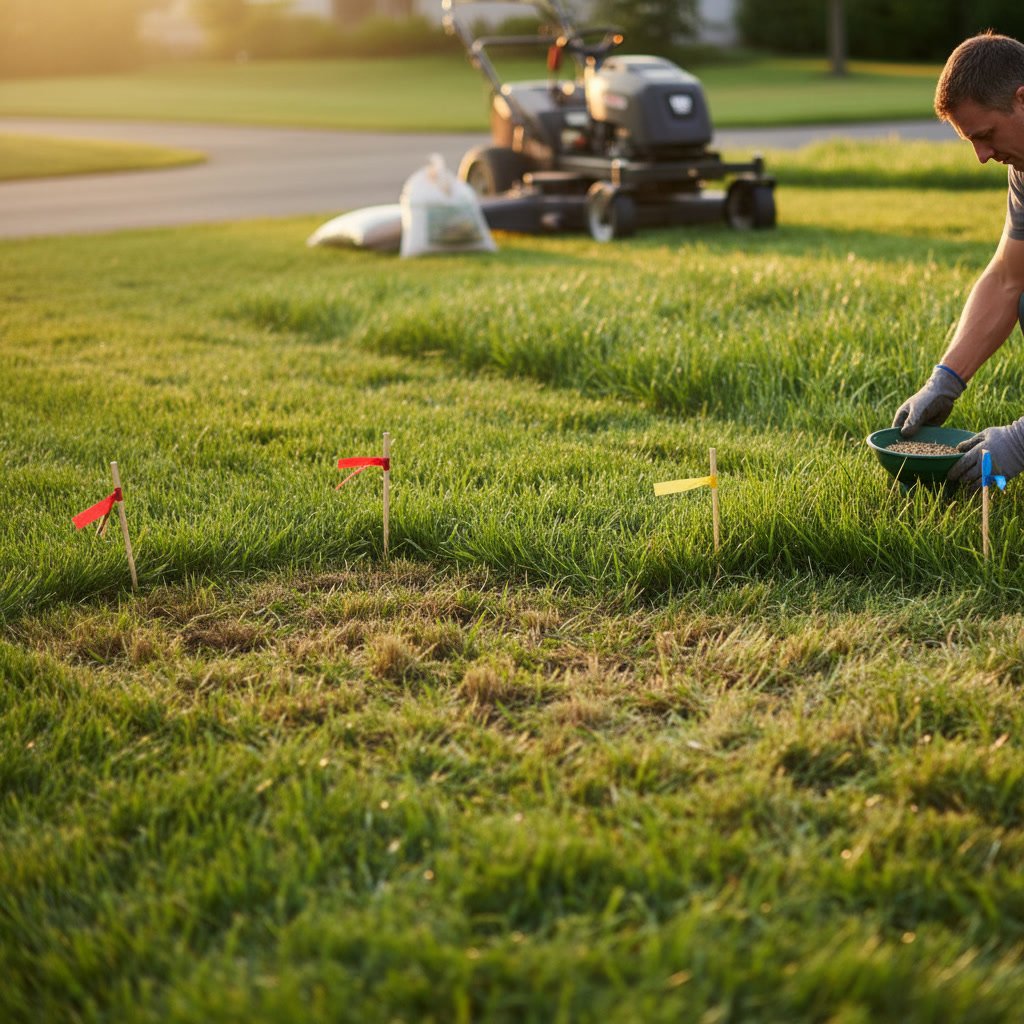
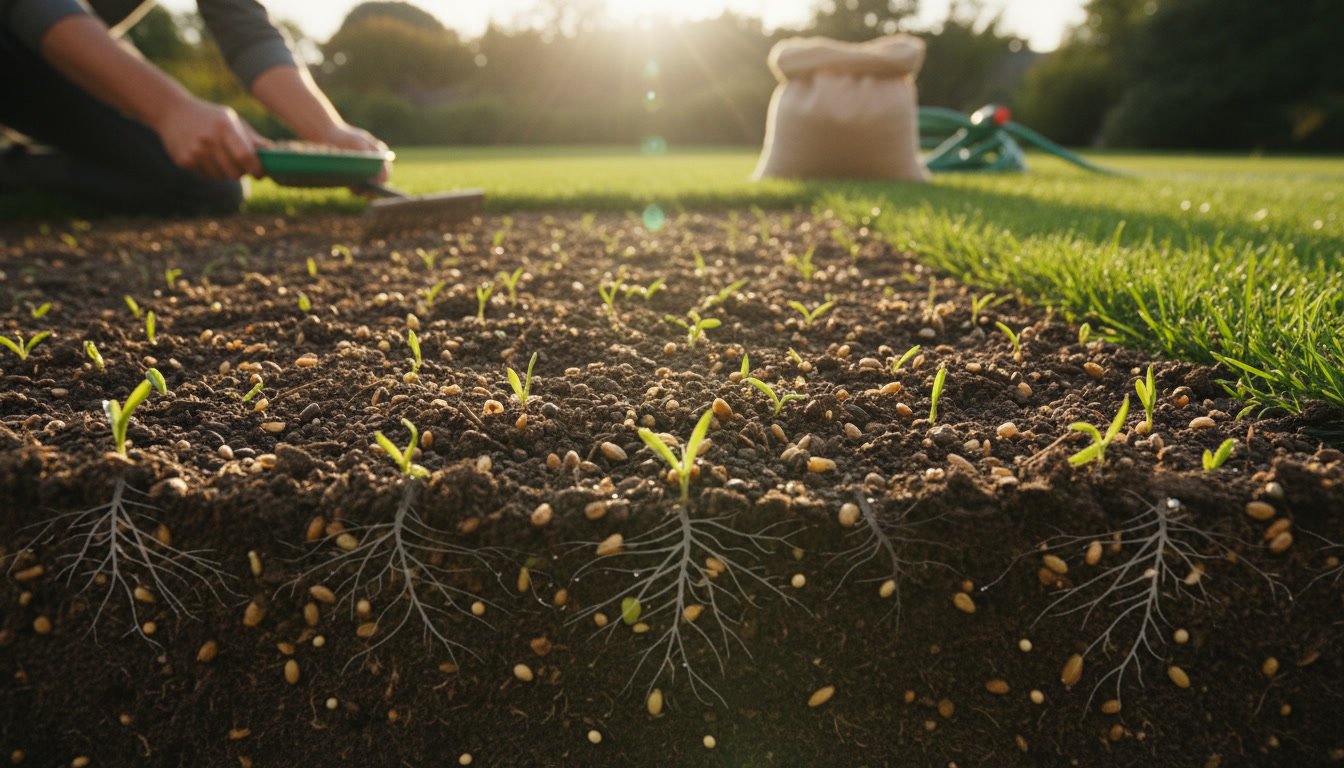
Understanding how grass seeding works starts with recognizing that seeds need the right conditions to germinate and establish strong roots. Grass seeds require proper soil contact, consistent moisture, and specific temperature ranges to sprout successfully. When conditions align, seeds germinate in seven to 21 days depending on variety, but poor timing or preparation often leads to patchy, thin results that waste both time and money.
Why Homeowners Choose Seeding Over Other Methods
Seeding offers the most cost-effective way to establish or repair a lawn, especially across large areas. While sod installation delivers instant results, seeding allows you to select grass varieties tailored to your property’s sun exposure, soil type, and traffic patterns. You can mix shade-tolerant fescue with sun-loving bluegrass to create a lawn that thrives in varied conditions.
Seeding also encourages deeper root development compared to sod. Seeds germinate directly in your soil, forcing roots to push down through natural layers rather than sitting on imported soil. This creates a more drought-resistant lawn over time. Many homeowners combine seeding with lawn aeration to improve soil structure before introducing new grass.
The Science Behind Seed Germination
Germination begins when a seed absorbs water, swelling its protective outer shell until it cracks. Inside, the embryo activates and sends a root downward while pushing a shoot upward toward light. This process requires soil temperatures between 50 and 65 degrees Fahrenheit for cool-season grasses like Kentucky bluegrass, perennial ryegrass, and tall fescue.
The seed uses stored energy during its first few days, which is why consistent moisture matters so much. If the soil dries out after germination starts, the embryo dies before it can establish roots capable of seeking deeper water. Even a single day of drought during this critical window can kill emerging seedlings.

Step-by-Step Process for Successful Seeding
Proper soil preparation determines whether seeds thrive or fail. Start by removing debris, rocks, and dead vegetation. Loosen the top two to three inches of soil with a rake or tiller to create a loose seedbed. Compacted soil prevents roots from penetrating and traps seeds on the surface where birds and wind carry them away.
Test your soil pH before seeding. Grass grows best in soil with a pH between 6.0 and 7.0. If your test shows high acidity, apply lime according to package directions at least two weeks before seeding. Spread a starter fertilizer high in phosphorus to encourage root growth, then broadcast seed evenly at the rate specified for your chosen variety.
After spreading seed, lightly rake the area to ensure seeds make contact with soil. Many professionals use a roller to press seeds into the soil without burying them too deep. Grass seed needs light to germinate, so covering it with more than a quarter inch of soil will reduce germination rates significantly.
Water lightly two to three times daily for the first two weeks, keeping the top inch of soil consistently moist but not saturated. Once seedlings reach two inches tall, transition to deeper, less frequent watering to encourage roots to grow downward. Avoid walking on new grass until it has been mowed at least three times.
Why Fall Seeding Outperforms Spring in Worcester
In Worcester, early fall seeding between late August and mid-September produces the best results for cool-season grasses. Soil temperatures remain warm enough to trigger germination while air temperatures cool down, reducing heat stress on tender seedlings. Fall also brings more consistent rainfall and less competition from weeds, which go dormant as daylight shortens.
Seeds germinated in fall establish deep root systems before winter, giving them a head start the following spring. These roots can reach six to eight inches deep by the time growth slows in late November, compared to just two to three inches for spring-seeded grass by summer. This root advantage makes fall-seeded lawns more drought-tolerant and resilient.
Spring seeding presents challenges because soil temperatures fluctuate unpredictably. A warm March week can trigger germination, followed by a cold April snap that stunts growth. Crabgrass and other annual weeds also germinate in spring, competing with new grass for water and nutrients. If you must seed in spring, aim for early April when soil reaches 50 degrees consistently.
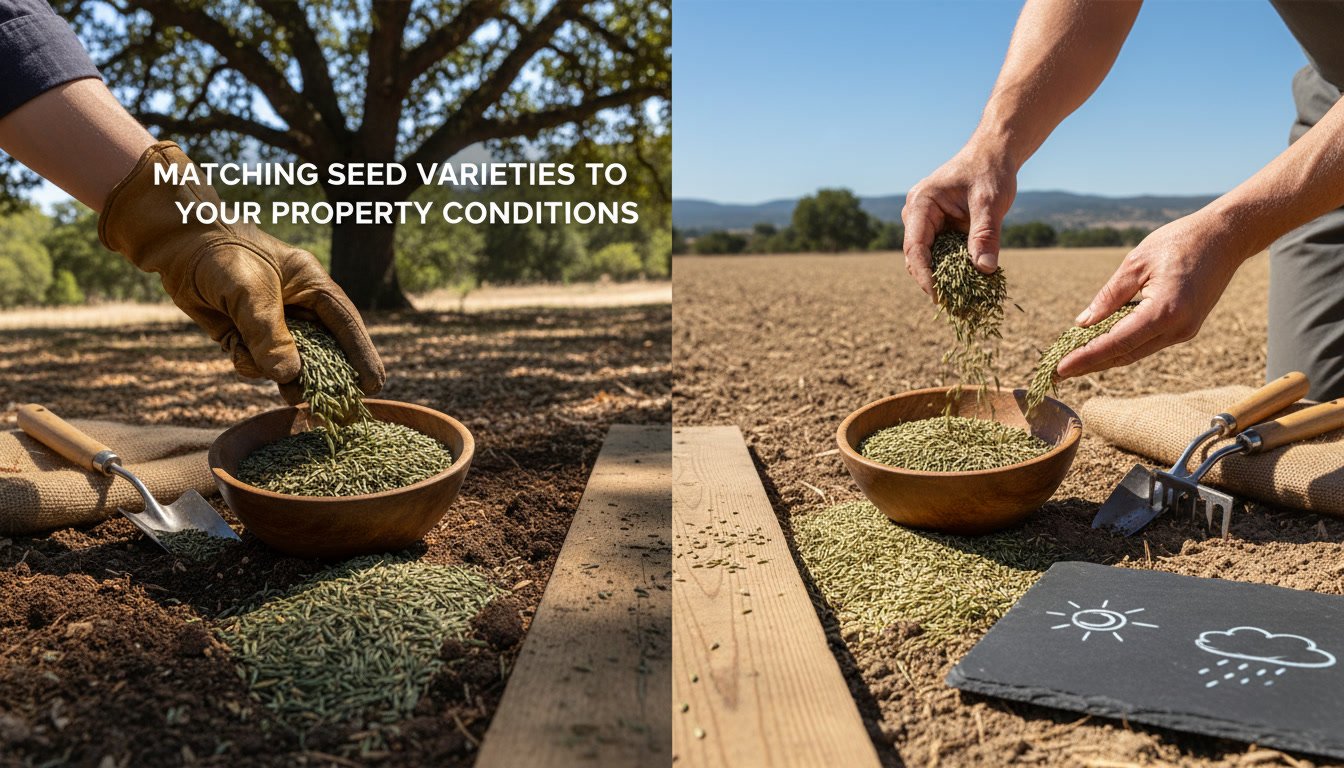
Matching Seed Varieties to Your Property Conditions
Different grass varieties tolerate different conditions, and selecting the wrong type guarantees poor results. Tall fescue handles drought and moderate shade well, making it ideal for properties with mature trees or inconsistent irrigation. Its deep roots reach 12 inches or more, allowing it to survive summer heat without constant watering.
Kentucky bluegrass creates a dense, attractive turf but demands full sun and regular moisture. It spreads through underground rhizomes, filling in bare spots naturally over time. Perennial ryegrass germinates faster than other cool-season grasses, often sprouting within five to seven days, making it useful for quick erosion control or overseeding thin areas.
Most professional seed blends combine multiple varieties to balance strengths and weaknesses. A typical mix might include 60% tall fescue for durability, 30% Kentucky bluegrass for density, and 10% perennial ryegrass for fast establishment. This approach ensures some grass thrives regardless of weather variations or soil inconsistencies across your property.
Common Seeding Mistakes That Lead to Failure
Applying too much seed wastes money and creates weak turf. Seedlings crowded together compete for light and nutrients, producing thin stems susceptible to disease. Follow the seeding rate on your seed bag, typically three to five pounds per 1,000 square feet for most cool-season grasses. Using a broadcast spreader ensures even distribution.
Skipping starter fertilizer deprives seedlings of phosphorus needed for root development. Regular lawn fertilizers high in nitrogen promote leaf growth at the expense of roots, which delays establishment and increases vulnerability to drought. Always use a product labeled for new grass with an N-P-K ratio around 18-24-12.
Mowing too early or too short damages new grass before it establishes deep roots. Wait until grass reaches three to four inches tall before the first mowing, and only remove the top third of the blade. Cutting more stresses the plant and can pull shallow-rooted seedlings from the soil entirely.
How Weather Windows Affect Germination Success
Grass seed requires 10 to 14 days of consistent conditions to germinate successfully. A stretch of dry weather during this window forces you to irrigate multiple times daily, while heavy rain can wash seeds away before they root. Checking the 14-day forecast before seeding helps you avoid these problems.
Temperature matters more than calendar dates. Soil thermometers cost less than $15 and provide accurate readings that eliminate guesswork. Insert the probe two inches deep in the morning to measure soil temperature. If readings stay between 50 and 65 degrees for three consecutive days, conditions favor germination.
Unexpected frost after germination can kill seedlings before they develop cold tolerance. In central Massachusetts, the average first frost occurs in early October, which is why late September seeding carries more risk than early September. Seeds planted too late may germinate but fail to establish adequate roots before winter dormancy.
Combining Seeding with Other Lawn Services
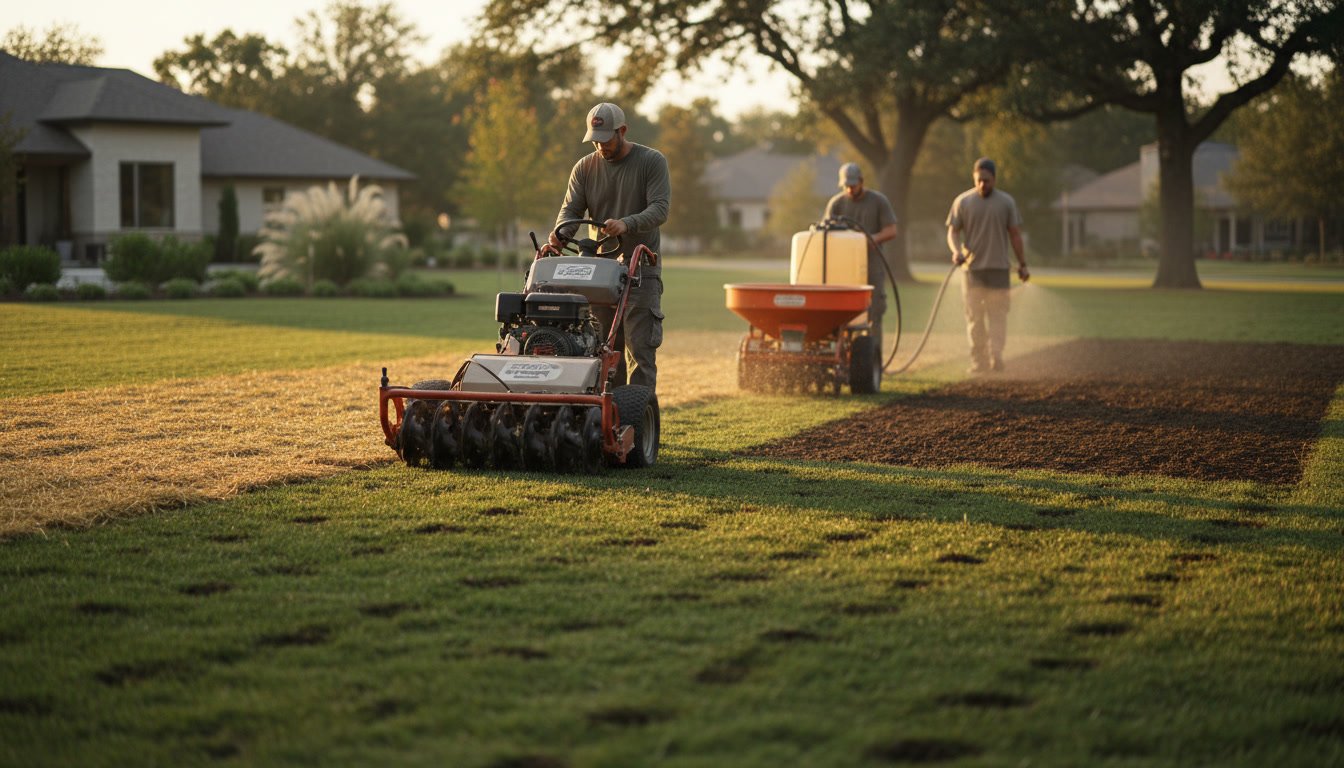
Overseeding existing lawns works best when combined with aeration. The holes created by an aerator provide perfect pockets for seeds to nestle into, protecting them from birds and improving soil contact. This combination thickens thin areas and introduces improved grass varieties into older lawns without full renovation.
Applying a thin layer of compost or topsoil after seeding helps retain moisture and moderates soil temperature swings. A quarter-inch layer is sufficient. Too much covering smothers seeds and blocks light needed for germination. Some professionals apply mulch in garden beds while handling lawn seeding as part of comprehensive residential landscaping projects.
Addressing drainage issues before seeding prevents water from pooling and drowning seeds. If sections of your lawn stay soggy after rain, consider installing proper drainage solutions before investing in new grass. Seeds and seedlings cannot survive in saturated soil that lacks oxygen.
Managing Expectations During Establishment
New grass looks patchy and uneven for the first four to six weeks. Different areas receive varying amounts of sunlight and moisture, causing germination rates to differ by several days. Some bare spots may require reseeding, especially on slopes where rain washes seeds downhill before they anchor.
Full establishment takes eight to 12 weeks depending on variety and weather. During this period, limit foot traffic to prevent soil compaction and root damage. If you must cross the area, lay down boards to distribute weight and protect tender grass. Pets should be kept off newly seeded areas entirely until grass reaches mowing height.
Weed invasion during establishment is normal and expected. Pre-emergent herbicides prevent grass seeds from germinating, so you cannot apply them before seeding. Hand-pull weeds carefully during the first six weeks to avoid disturbing grass roots. After the third mowing, the lawn can tolerate selective herbicides if weed pressure becomes severe. Regular care practices described in standard maintenance service visits help keep weeds under control once grass matures.
Your Next Step Toward a Healthier Lawn
Successful grass seeding depends on proper preparation, correct timing, and consistent care during germination. Seeds planted in early fall when soil temperatures favor cool-season grasses produce the deepest roots and most resilient turf. Matching seed varieties to your property’s specific conditions and avoiding common mistakes like overseeding or early mowing gives you the best chance of achieving thick, healthy grass.
J Landscape LLC has helped property owners throughout Worcester establish beautiful lawns through expert grass seeding and comprehensive landscape services. Whether you need complete lawn renovation or targeted overseeding to repair thin areas, professional guidance ensures your investment produces lasting results. Reach out at +17742628973 to discuss your lawn goals and schedule an assessment.