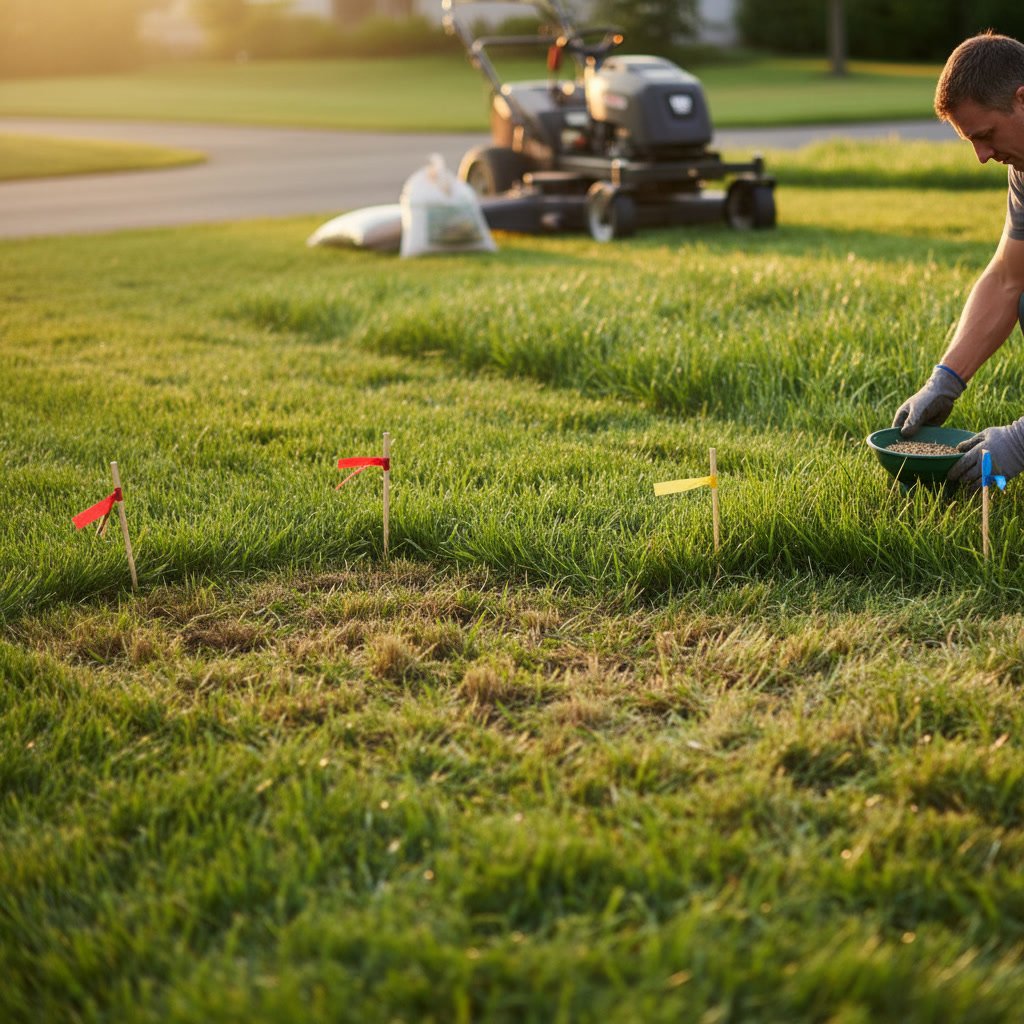
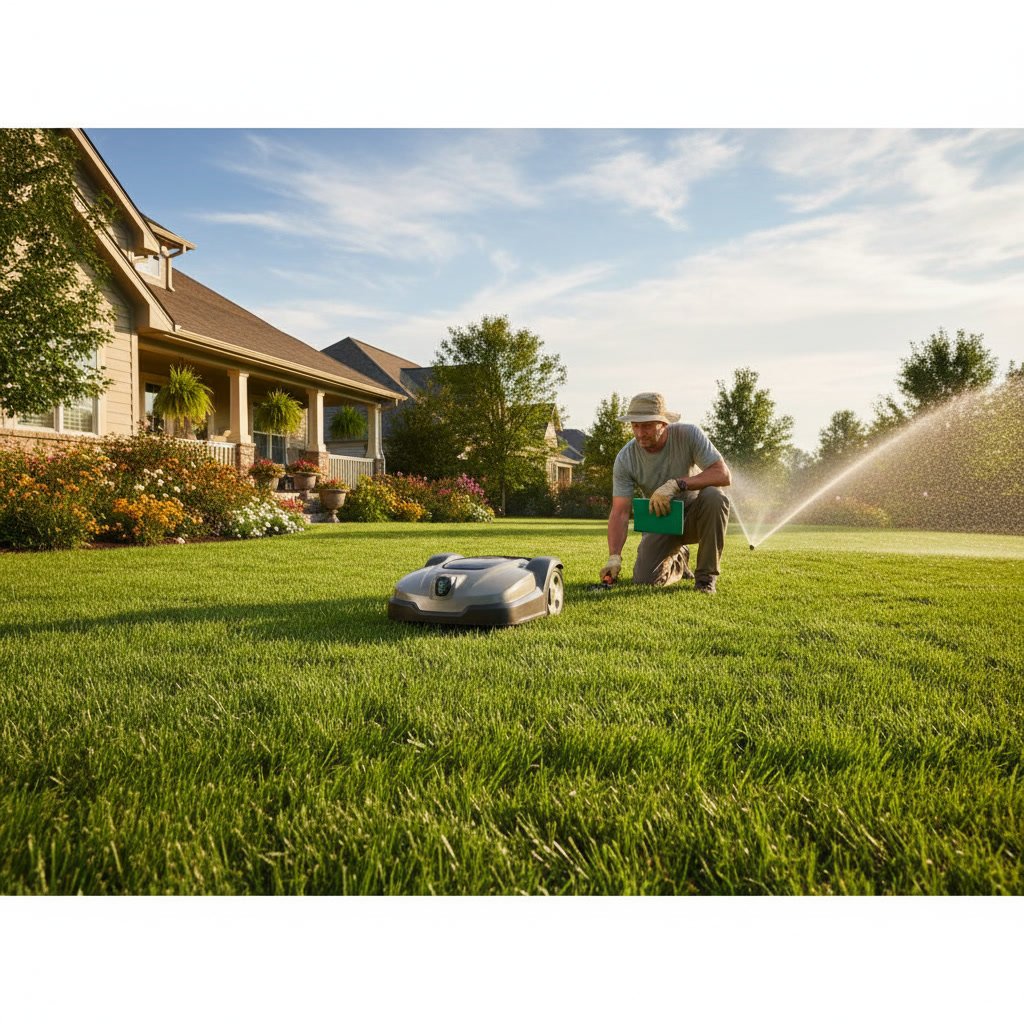
Most cool-season grasses in central Massachusetts perform best when mowed every five to seven days during peak growing season, typically from late April through June and again in September through October. During slower growth periods in summer heat or drought, you can extend mowing intervals to 10 to 14 days. The key is to follow the one-third rule: never remove more than one-third of the grass blade height in a single mowing, regardless of how often mow lawn maintenance occurs.
Why Mowing Frequency Matters More Than You Think
Grass plants respond to cutting stress in measurable ways. When you remove too much blade length at once, the plant redirects energy from root growth to blade regeneration. This weakens the root system and makes your lawn more vulnerable to drought, weeds, and disease. Consistent mowing at the right intervals keeps photosynthesis efficient and root development strong.
A study from Purdue University’s turfgrass science program found that lawns mowed at proper intervals developed root systems 30% deeper than lawns cut sporadically. Deeper roots access more soil moisture and nutrients, which directly translates to a greener lawn with less watering and fewer bare patches.
Understanding Your Grass Type and Growth Rate
Cool-season grasses dominate New England landscapes. Kentucky bluegrass, perennial ryegrass, and fine fescues grow most vigorously when soil temperatures range between 50 and 65 degrees. These conditions typically occur during spring and fall, which is why your lawn seems to grow faster during those seasons compared to the heat of July and August.
Warm-season grasses like zoysia or Bermuda grass, though less common in our region, thrive in temperatures above 70 degrees and grow fastest in summer. If your property includes warm-season varieties, your mowing schedule will peak in July and August rather than May and September.
The Spring Growth Surge in Worcester
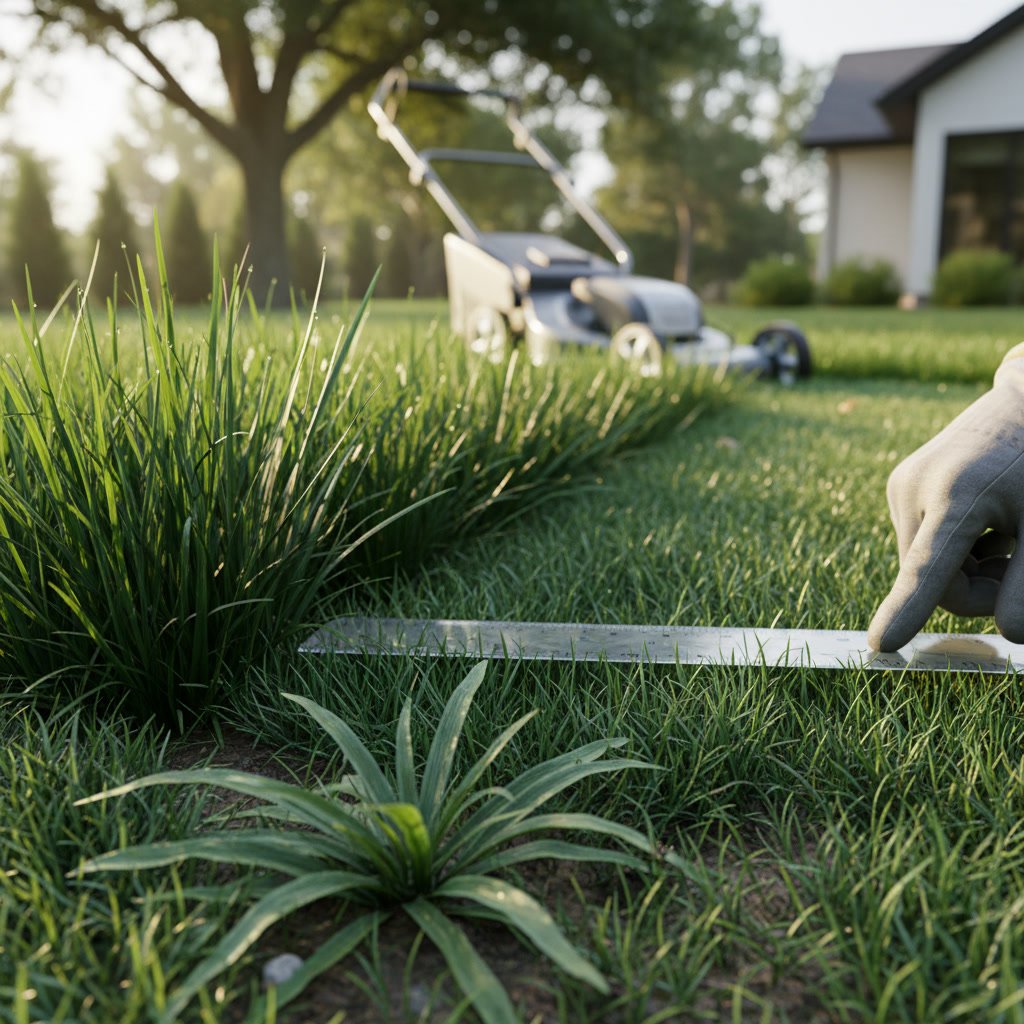
From mid-April through early June, expect the fastest grass growth of the year. During this period, your lawn may need mowing twice per week if rainfall is abundant and temperatures stay moderate. Missing a week can result in tall, stemmy grass that requires scalping to bring back to proper height, which stresses the turf and opens the door for crabgrass.
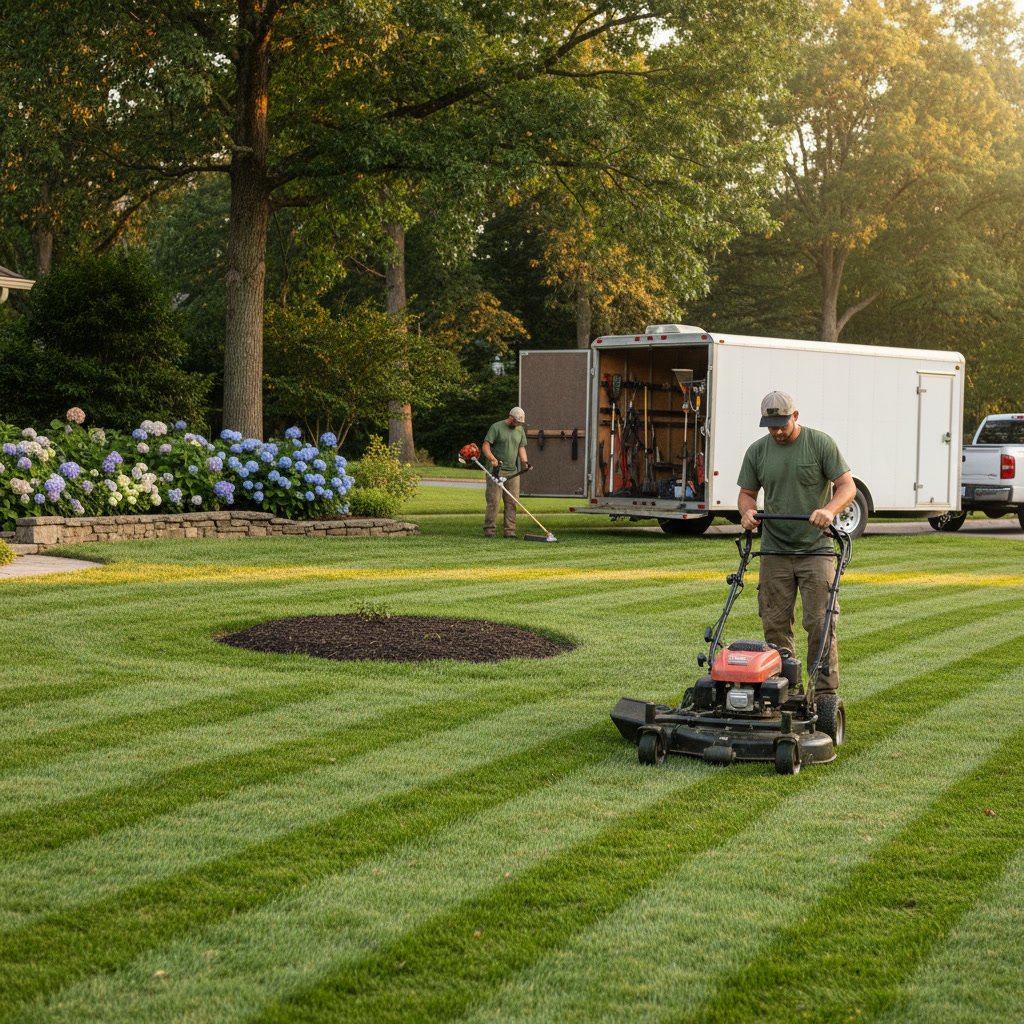
Professional Lawn Care & Maintenance services adjust schedules weekly based on actual growth rates rather than arbitrary calendar dates. This responsive approach prevents the boom-and-bust cycle many homeowners experience when they mow on a rigid schedule regardless of conditions.
Summer Slowdown and Heat Stress Adjustments
When daytime temperatures consistently exceed 85 degrees and rainfall drops below one inch per week, cool-season grasses enter a semi-dormant state. Growth slows dramatically, and mowing frequency can drop to once every 10 to 14 days. Cutting too frequently during heat stress removes valuable blade surface area needed for photosynthesis and can push your lawn past its stress tolerance.
Raise your mowing height by half an inch to three-quarters of an inch during summer. Taller grass shades the soil, reduces moisture evaporation, and keeps root zones cooler. This single adjustment can reduce supplemental watering needs by 20% to 30% during dry spells.
Fall Recovery and the Second Growing Season
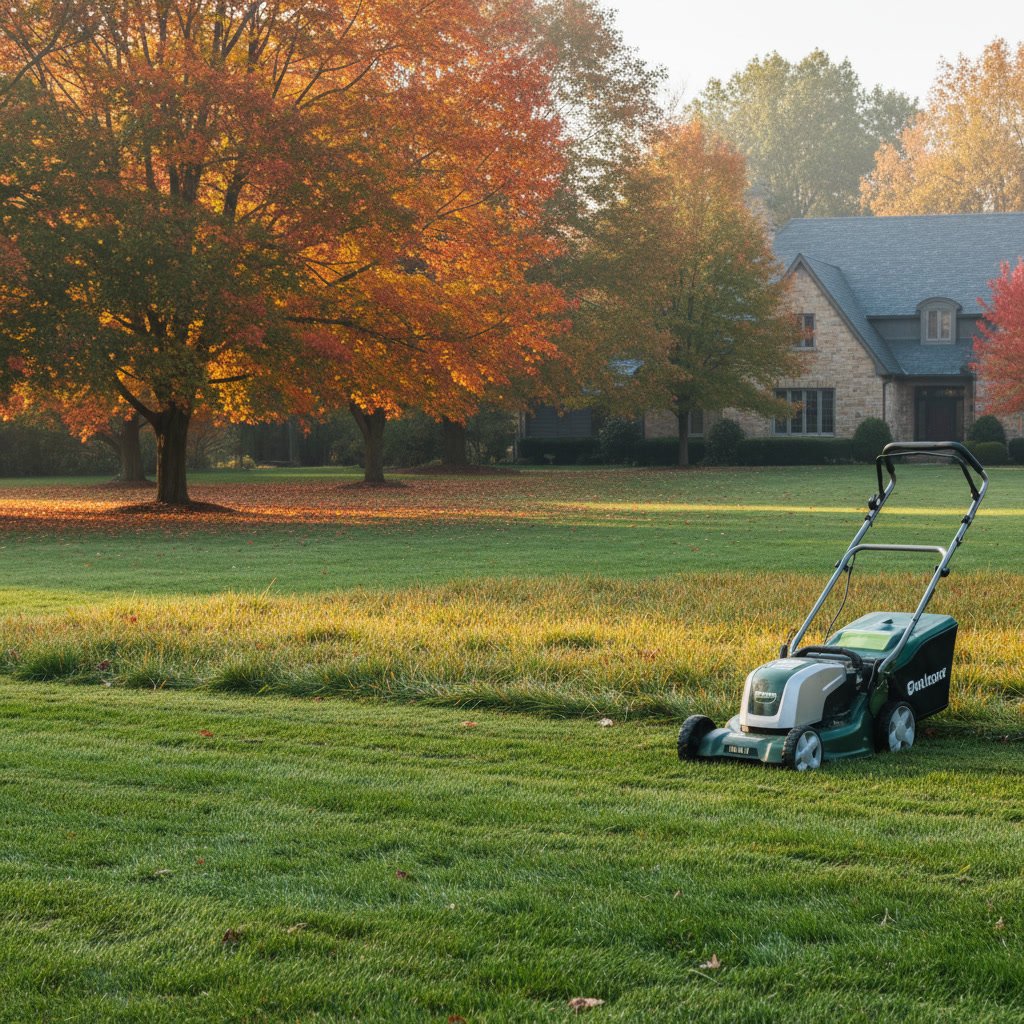
September through mid-November brings a second surge of growth as soil temperatures drop back into the optimal range for cool-season grasses. Resume your spring mowing frequency, typically every five to seven days. This period is critical for building root reserves before winter dormancy.
Many homeowners make the mistake of reducing mowing frequency too early in fall, allowing grass to grow too tall before the first hard freeze. Grass that enters winter above four inches is more susceptible to snow mold and matting. Your final mowing of the season should bring the lawn down to about two and a half inches.
Mowing Height and Frequency Work Together
The relationship between cutting height and frequency is mathematical. If you maintain your lawn at three inches tall and follow the one-third rule, you should mow when grass reaches four and a half inches. At typical spring growth rates of one to two inches per week, that means mowing every three to five days during peak periods.
Most residential lawns perform best when maintained between two and a half to three and a half inches. Cutting lower than two inches scalps the crown, exposes soil to weed seeds, and weakens the turf. Letting grass grow above four inches encourages a thin, floppy canopy that lays over and creates an uneven appearance.
What Professional Lawn Services Monitor Beyond the Calendar
Experienced providers don’t rely solely on weekly schedules. They assess actual blade length, moisture levels, and recent weather patterns before each visit. After heavy rainfall, grass can grow two inches in 72 hours during peak season. Following a dry week, growth may be minimal.
J Landscape LLC adjusts service intervals based on real-time conditions rather than predetermined routes. This approach prevents over-mowing during slow growth and ensures your lawn never violates the one-third rule during rapid growth. The company has served Worcester, MA properties for five years with this adaptive maintenance philosophy.
Professional crews also coordinate mowing schedules with Lawn Aeration and fertilization timing to maximize turf health. Mowing too soon after aeration can dislodge soil plugs before they break down, while mowing before fertilizer application can remove blade surface area needed to absorb foliar nutrients.
Equipment Sharpness and Its Impact on Mowing Frequency
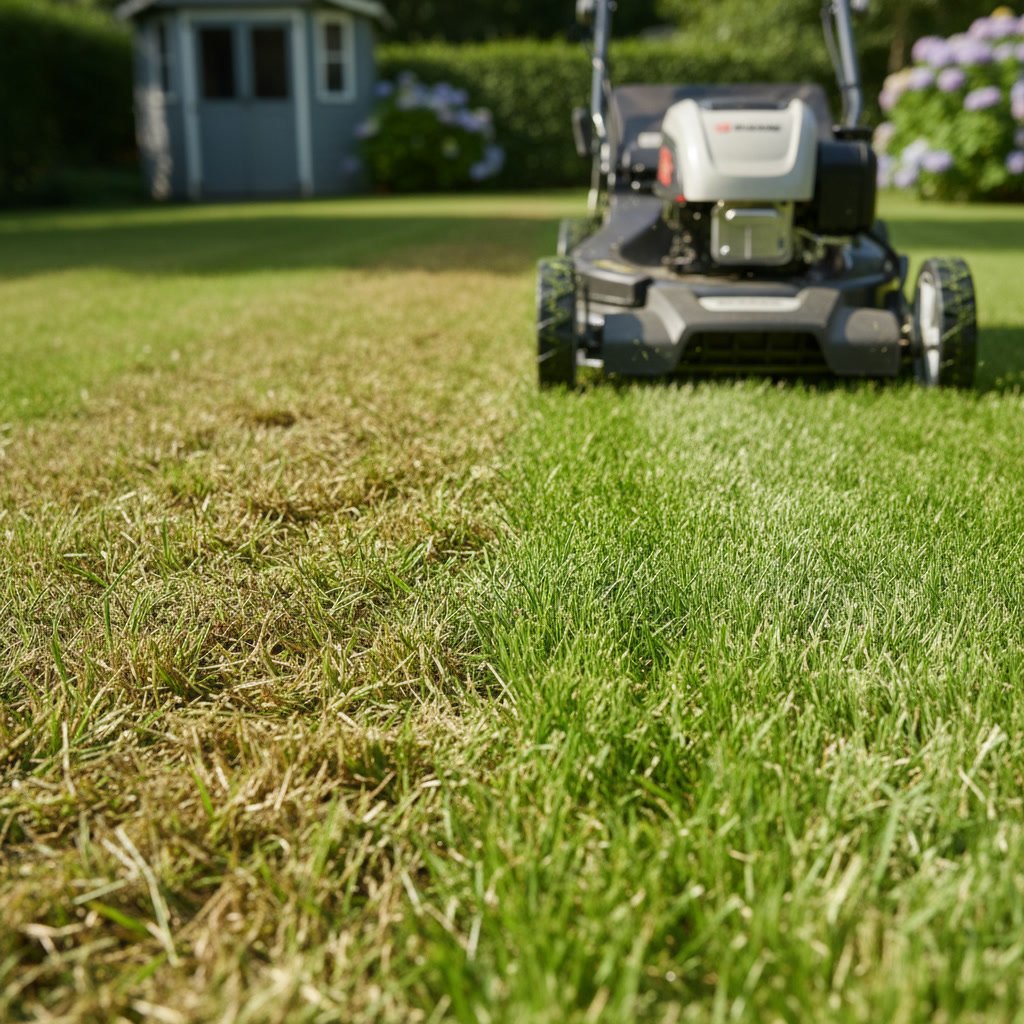
Dull mower blades tear grass rather than cut it cleanly. Torn blade tips turn brown within 24 to 48 hours, creating a grayish cast across your lawn. This stress response slows growth and can push you toward longer intervals between mowings, which then forces you to remove more than one-third when you finally cut.
Sharpen mower blades every 20 to 25 hours of operation, roughly every eight to 10 mowing sessions for most homeowners. Professional services sharpen daily or between every property to ensure clean cuts that heal quickly and maintain consistent growth rates.
Special Considerations for New Lawns
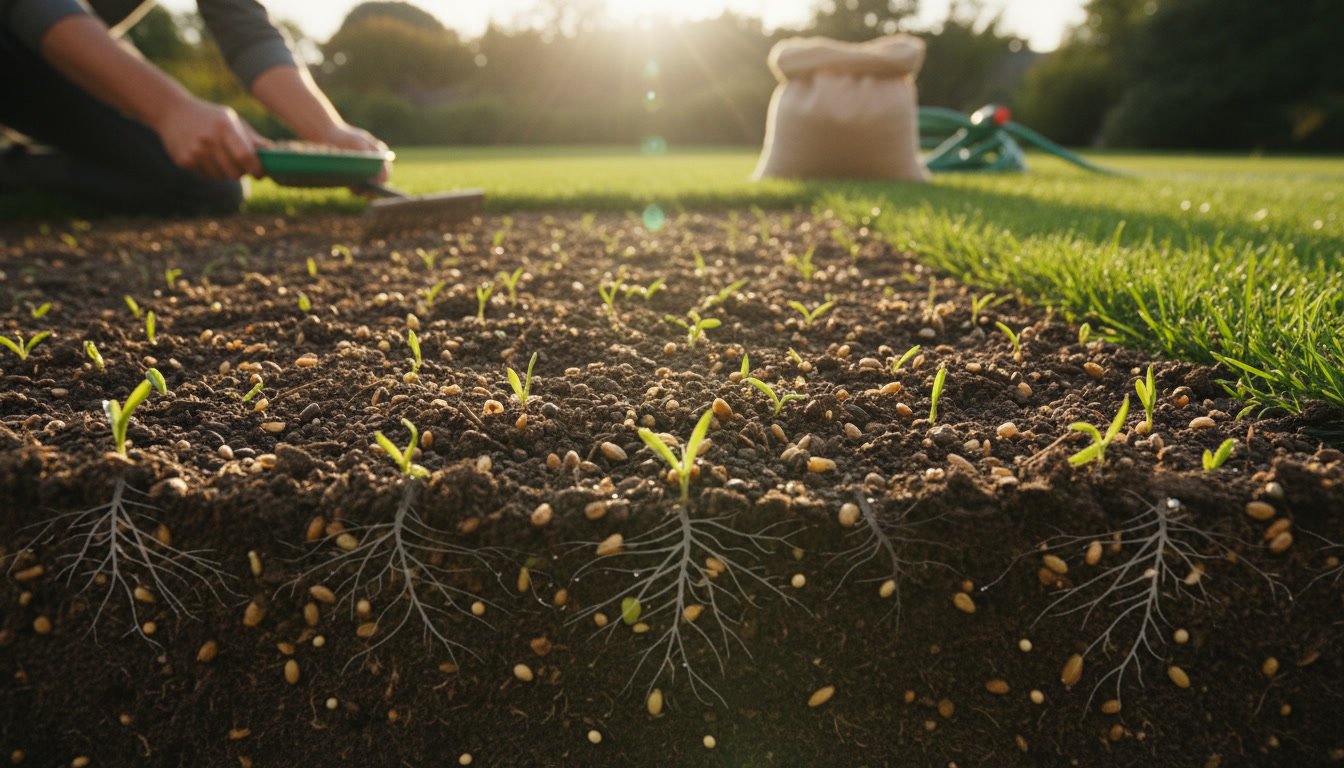
Newly seeded or sodded lawns require modified mowing approaches. For seeded areas, wait until grass reaches four inches before the first mowing, then remove only the top inch. This light first cut encourages lateral spreading and tillering without shocking young plants.
New sod can typically handle mowing seven to 10 days after installation once roots begin anchoring into the soil below. Test by gently pulling a corner of the sod; if it resists lifting, roots have established enough to tolerate mowing. Properties with recent Sod Installation benefit from professional guidance during the establishment period to avoid common mistakes that delay full integration.
How Seasonal Services Complement Regular Mowing
Mowing frequency intersects with other lawn care practices throughout the year. Spring Grass Seeding in bare areas requires temporary mowing height adjustments around new growth. Fall Mulching of leaves works best when coordinated with your final mowing passes of the season.
Understanding how lawn aeration works and why your grass needs it helps you schedule this service during periods when you can reduce mowing frequency for a few days afterward. The most successful lawn programs integrate all maintenance activities rather than treating each as an isolated task.
Building a Sustainable Lawn Care Routine
Consistent mowing at proper intervals forms the foundation of lawn health, but it works best as part of a complete maintenance approach. The typical homeowner spends 70 hours per year on lawn care, with mowing consuming roughly 40 of those hours. Optimizing your schedule saves time while improving results.
Track your lawn’s growth patterns for one full season and you’ll identify the specific weeks when growth peaks and valleys. Most properties follow predictable patterns year after year, allowing you to anticipate busy periods and plan accordingly. This knowledge helps whether you maintain the lawn yourself or work with a service provider.
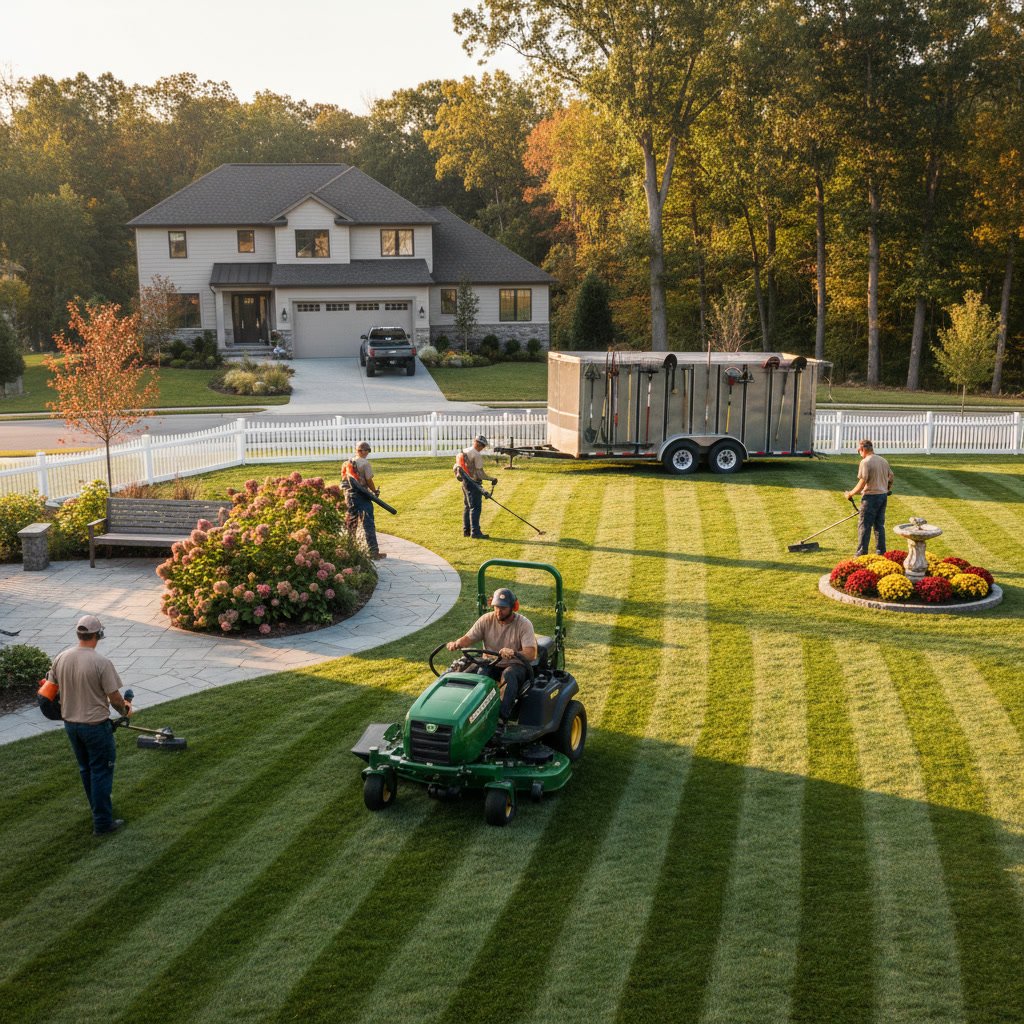
Professional crews bring commercial-grade equipment, trained eye for growth assessment, and schedule flexibility that most homeowners can’t match. For properties throughout Worcester, Shrewsbury, and surrounding communities, partnering with an experienced provider eliminates the guesswork from mowing frequency decisions. Learning what happens during professional lawn maintenance step by step reveals the depth of attention that separates adequate care from exceptional results.
J Landscape LLC has maintained residential and commercial properties across central Massachusetts since 2019, adapting service schedules to match actual growing conditions rather than predetermined calendars. If your lawn struggles with uneven growth, persistent brown tips, or thin areas that never quite fill in, mowing frequency may be part of the solution. Reach out at +17742628973 to discuss a customized maintenance schedule that matches your grass type, property conditions, and lawn goals.