Lawn aeration relieves soil compaction by creating small holes that allow air, water, and nutrients to reach grass roots. This process strengthens root systems and transforms struggling lawns into thick, healthy turf. Understanding how lawn aeration works helps you maintain a healthier yard and avoid costly lawn repairs down the line.
The Hidden Problem Beneath Your Lawn
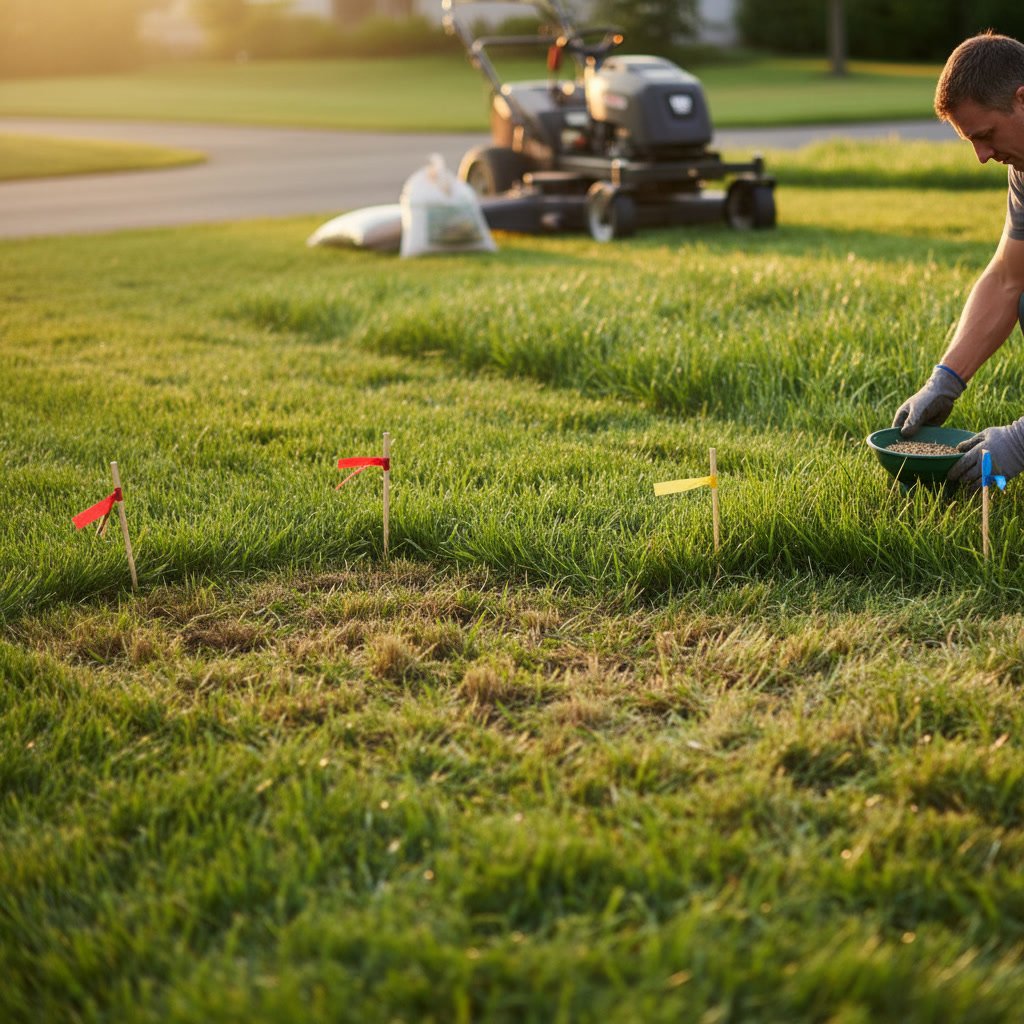
Most homeowners focus on what they can see above ground: brown patches, thin grass, or persistent weeds. The real issue often lies inches below the surface. Soil compaction creates a dense barrier that prevents essential resources from reaching your grass roots. Heavy foot traffic, lawn equipment, clay-heavy soil, and even regular rainfall gradually squeeze air pockets out of the ground.
Compacted soil feels hard when you walk on it. Try pushing a screwdriver six inches into your lawn. If it takes significant effort or won’t penetrate fully, your soil is too dense. Grass growing in compacted conditions develops shallow roots, making it vulnerable to drought, disease, and weed invasion.
Understanding the Mechanics of Soil Compaction
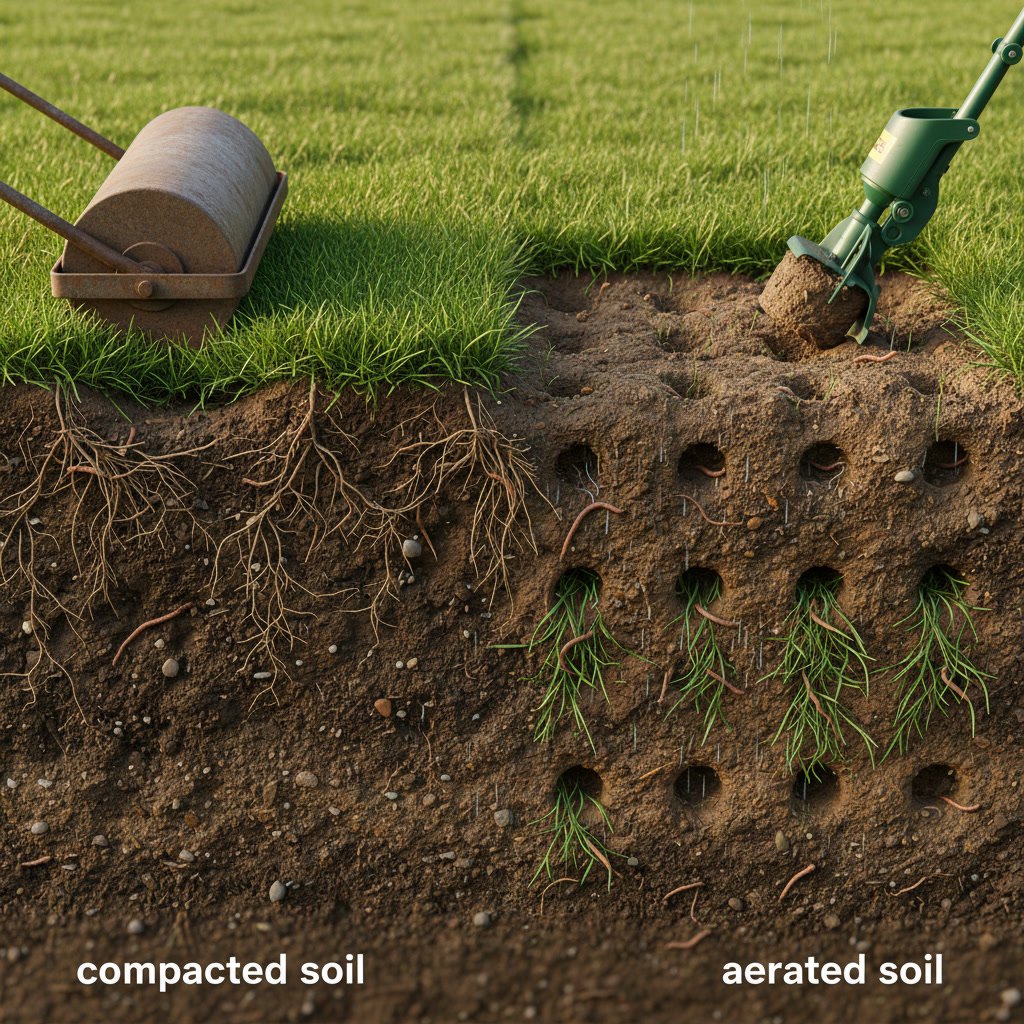
Healthy soil contains roughly 50% solid material and 50% pore space filled with air and water. When soil compacts, these pore spaces collapse. Oxygen levels drop, water pools on the surface instead of soaking in, and beneficial microorganisms struggle to survive. Grass roots need oxygen to absorb nutrients and water efficiently, even though they grow underground.
Clay soils compact more easily than sandy soils because their tiny particles pack together tightly. New construction sites often have severely compacted soil from heavy machinery. Even established lawns develop compaction over time, especially in high-traffic areas near walkways, driveways, or play zones.
The Step-by-Step Aeration Process
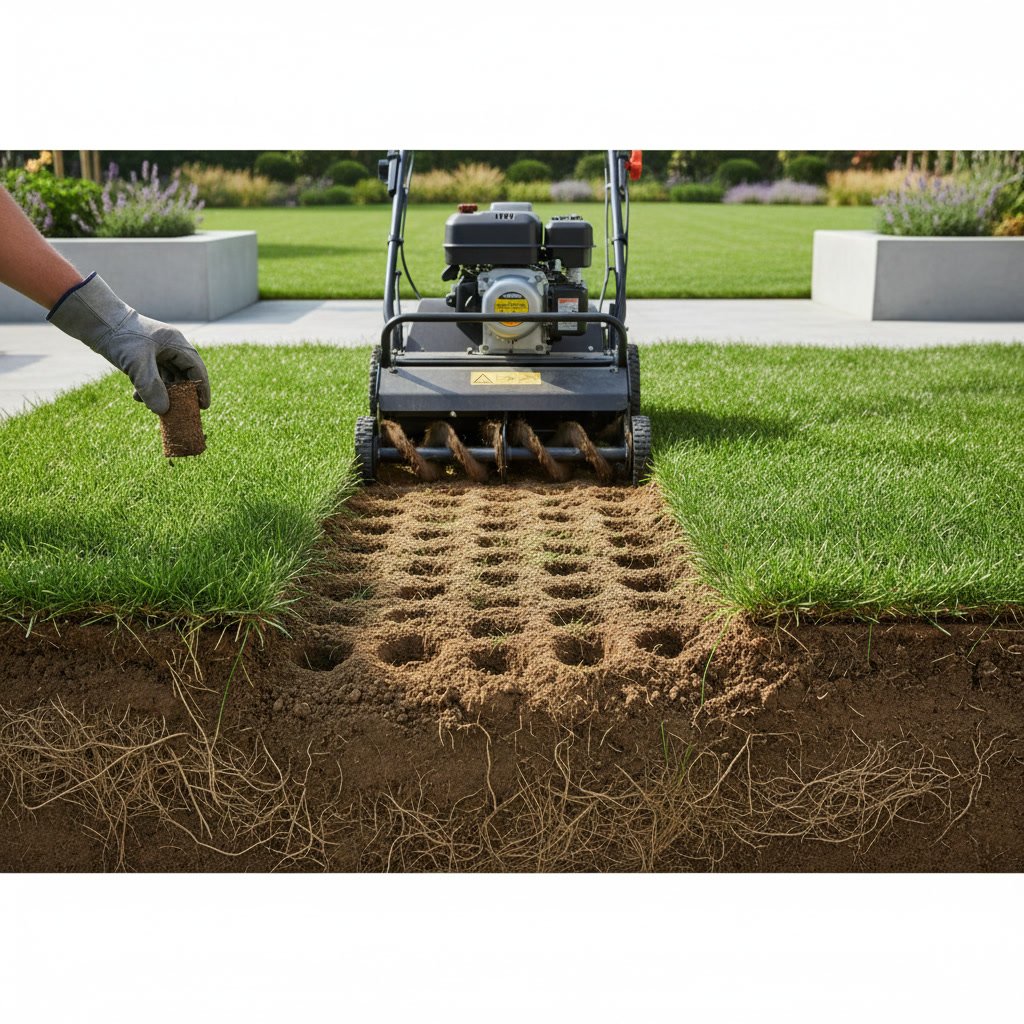
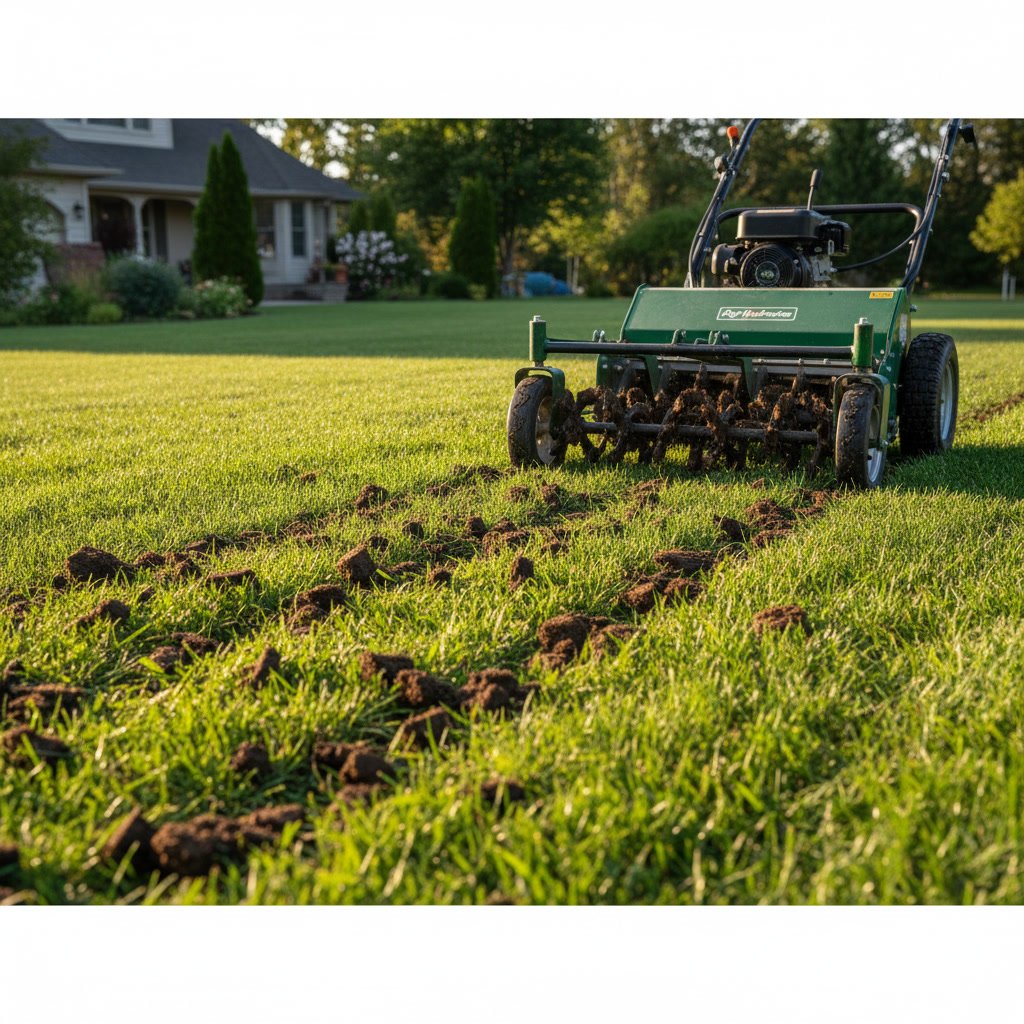
Core aeration uses a machine equipped with hollow tines that pull cylindrical plugs of soil from the ground. These plugs, typically two to three inches long and half an inch wide, are deposited on the lawn surface. The process creates thousands of small channels throughout your yard.
Professional aerators make multiple passes in different directions to achieve optimal coverage. The goal is to create holes spaced two to three inches apart across the entire lawn. This density ensures adequate soil relief without damaging the turf. The extracted cores break down naturally within a few weeks, returning organic matter to the soil surface.
Spike aerators use solid tines to punch holes, but they actually worsen compaction by pushing soil aside rather than removing it. Liquid aerators claim to loosen soil through chemical action, but research shows they cannot match the effectiveness of mechanical core removal for severely compacted lawns.
Aeration Services in Worcester Deliver Measurable Results
Central Massachusetts lawns face unique challenges that make aeration particularly valuable. Cold winters, clay-rich soil in many neighborhoods, and seasonal rainfall patterns all contribute to compaction issues. Properties in Worcester typically benefit from annual aeration, while heavily used lawns may need treatment twice per year.
Professional equipment removes cores more efficiently than rental machines. Commercial-grade aerators weigh several hundred pounds, allowing tines to penetrate deeply even in hard soil. The added weight and power ensure consistent results across your entire property, including slopes and uneven terrain.
When Your Grass Needs Aeration Most
Timing matters significantly for aeration effectiveness. Cool-season grasses like Kentucky bluegrass, perennial ryegrass, and fine fescue recover best when aerated during their peak growing periods in early fall or mid-spring. Early September offers ideal conditions in New England, giving grass several weeks of active growth before winter dormancy.
Spring aeration works well from late April through May, after the soil thaws but before summer heat arrives. Avoid aerating during drought stress or extreme heat. The lawn needs energy to heal the temporary damage caused by core removal. Aerating when grass grows vigorously ensures rapid recovery.
Watch for warning signs that indicate your lawn needs immediate attention. Water pooling on the surface after rain, spongy thatch buildup exceeding half an inch, or grass that feels hard underfoot all suggest compaction problems. Lawns less than three years old on clay soil often need aeration sooner than established turf on loamy ground.
The Science Behind Improved Root Growth
Aeration channels allow oxygen to reach deeper soil layers where roots actively absorb nutrients. Root systems in aerated soil grow 40% to 60% deeper than those in compacted ground. Deeper roots access moisture during dry periods, reducing irrigation needs and improving drought tolerance.
Soil microbes require oxygen to break down organic matter and release nutrients in forms grass can absorb. When aeration restores air circulation, beneficial bacteria populations increase. These organisms convert nitrogen, phosphorus, and other elements into plant-available compounds, essentially creating natural fertilizer within your soil.
Water infiltration rates improve dramatically after aeration. Studies show that properly aerated lawns absorb water up to three times faster than compacted turf. This increased permeability reduces runoff, prevents erosion, and helps grass survive heavy rainfall without drowning or developing fungal diseases.
Combining Aeration with Other Lawn Treatments
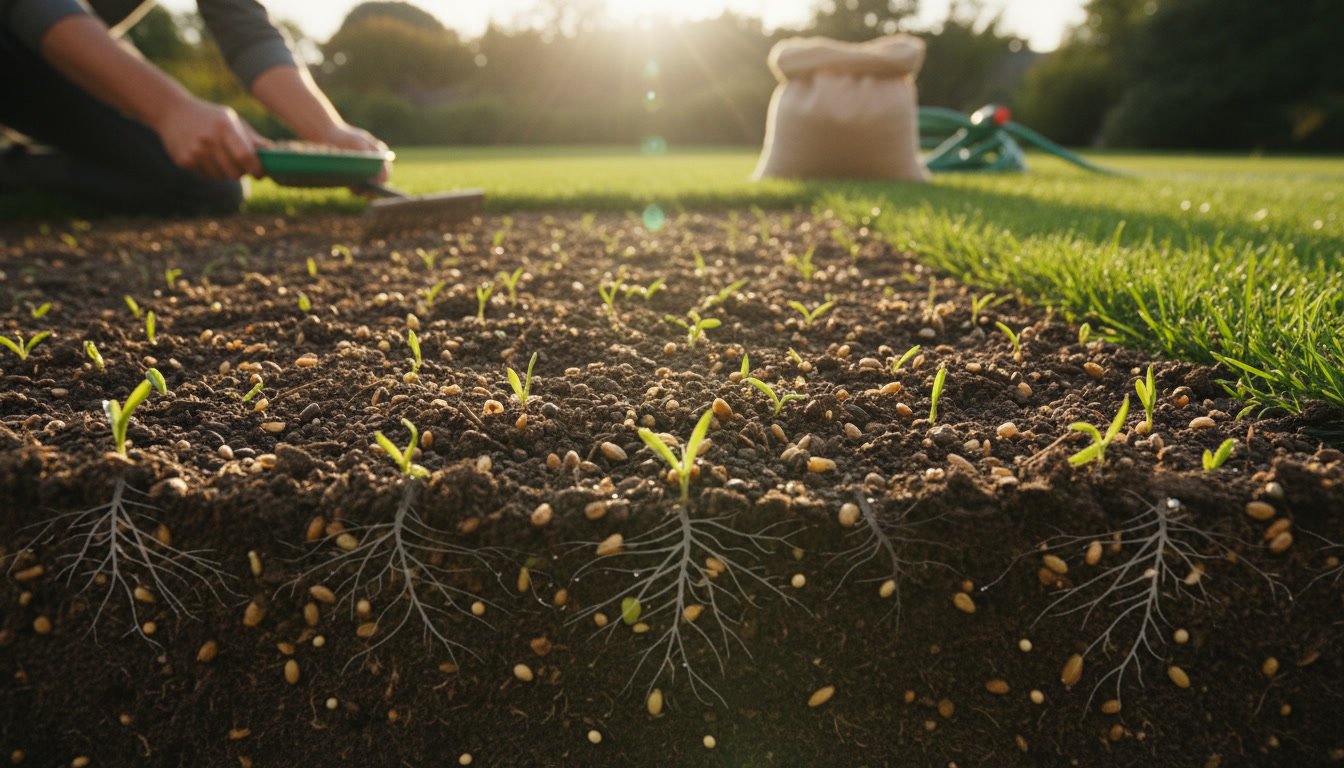
Aeration creates the perfect opportunity to maximize other lawn care investments. Overseeding immediately after aeration places grass seed directly into the soil channels where it makes excellent contact with the earth. This timing dramatically improves germination rates compared to broadcasting seed on compacted ground.
Applying fertilizer within 48 hours of aeration delivers nutrients directly to the root zone. The open channels allow granules to reach deeper soil layers instead of sitting on the surface where they can wash away or volatilize. You will use fertilizer more efficiently and see faster greening results.
Topdressing with compost after aeration fills the holes with organic matter that improves soil structure long-term. A quarter-inch layer of quality compost introduces beneficial microbes, improves water retention, and gradually reduces compaction tendencies. J Landscape LLC combines these treatments in a single service visit to deliver comprehensive lawn improvement.
What Happens Immediately After Treatment
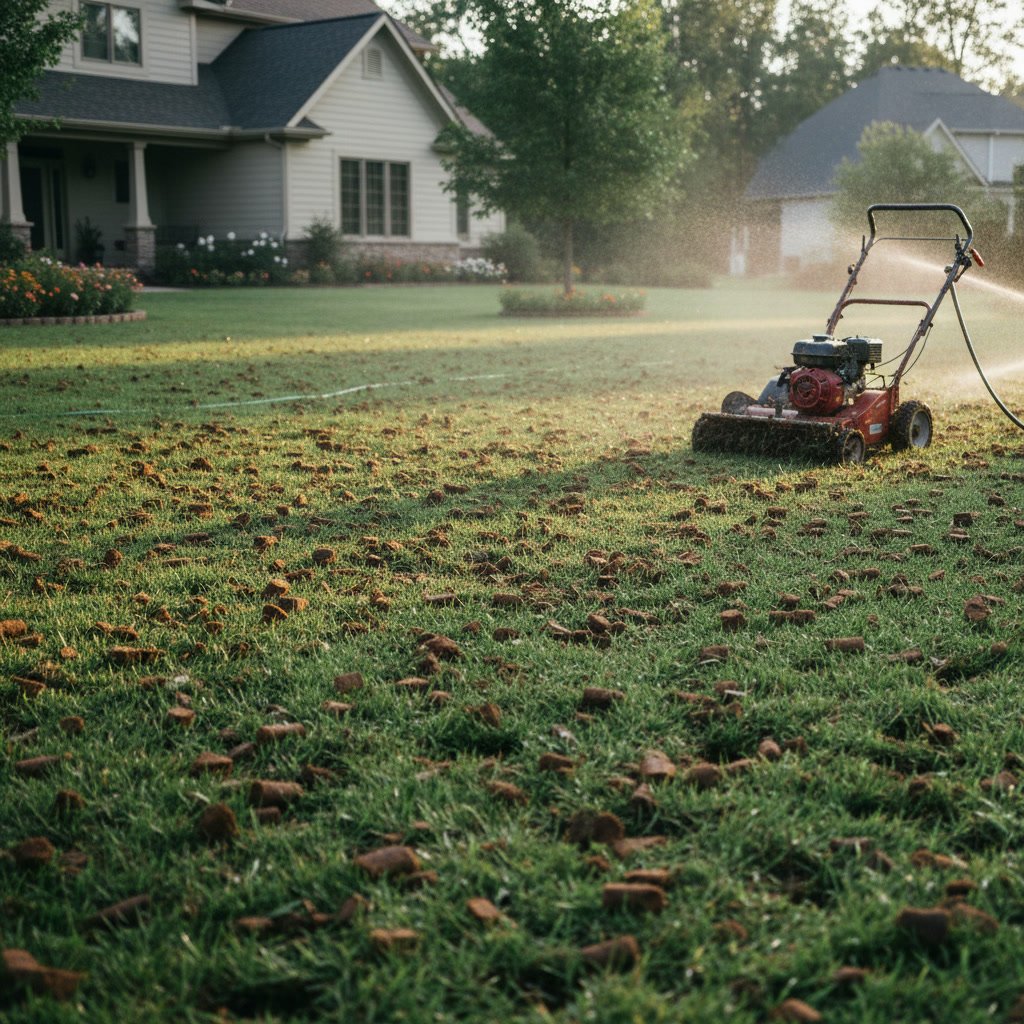
Your lawn will look messy for about two weeks after aeration. Soil plugs scattered across the grass can be alarming if you don’t expect them. Resist the urge to rake them up. These cores contain valuable organic matter and soil amendments that benefit your turf as they decompose.
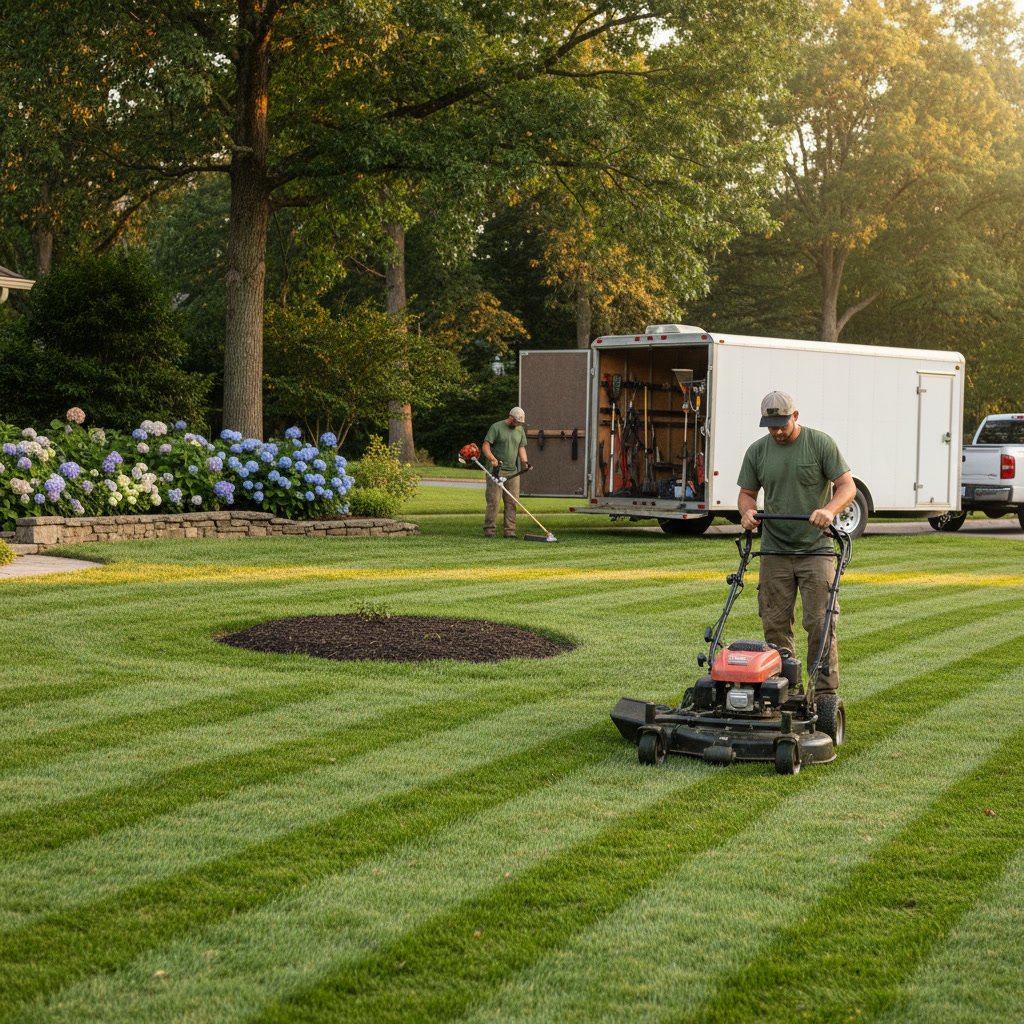
Mowing over the plugs speeds breakdown and distributes the material evenly. Use your regular mowing height and pattern. The plugs will crumble within a few passes, especially if conditions are slightly moist. Rain accelerates the process further.
Keep foot traffic light for the first week to allow grass roots to expand into the newly opened channels. Water lightly but frequently for the first 10 days if you overseeded. The combination of open soil, good seed contact, and consistent moisture creates ideal germination conditions.
Long-Term Benefits Worth the Investment
Regular aeration reduces the need for chemical interventions over time. Healthy, deep-rooted grass naturally outcompetes weeds for resources. Thick turf shades the soil surface, preventing weed seeds from germinating. You will spend less on herbicides and enjoy a more environmentally friendly lawn.
Disease resistance improves when grass grows vigorously. Strong root systems support robust leaf growth that can withstand fungal attacks and recover quickly from stress. Aerated lawns require fewer fungicide applications and recover faster from summer heat or winter injury.
Property value increases with curb appeal. A thick, green lawn makes a powerful first impression. Real estate professionals consistently cite lawn quality as a factor in buyer decisions. Regular maintenance, including aeration, protects your landscape investment and enhances overall property aesthetics.
Professional Equipment Makes a Measurable Difference
Rental aerators often lack the weight needed to penetrate compacted soil fully. Many homeowners make multiple passes without achieving adequate core depth. Professional machines weigh 300 to 400 pounds and feature adjustable tine spacing for different soil conditions.
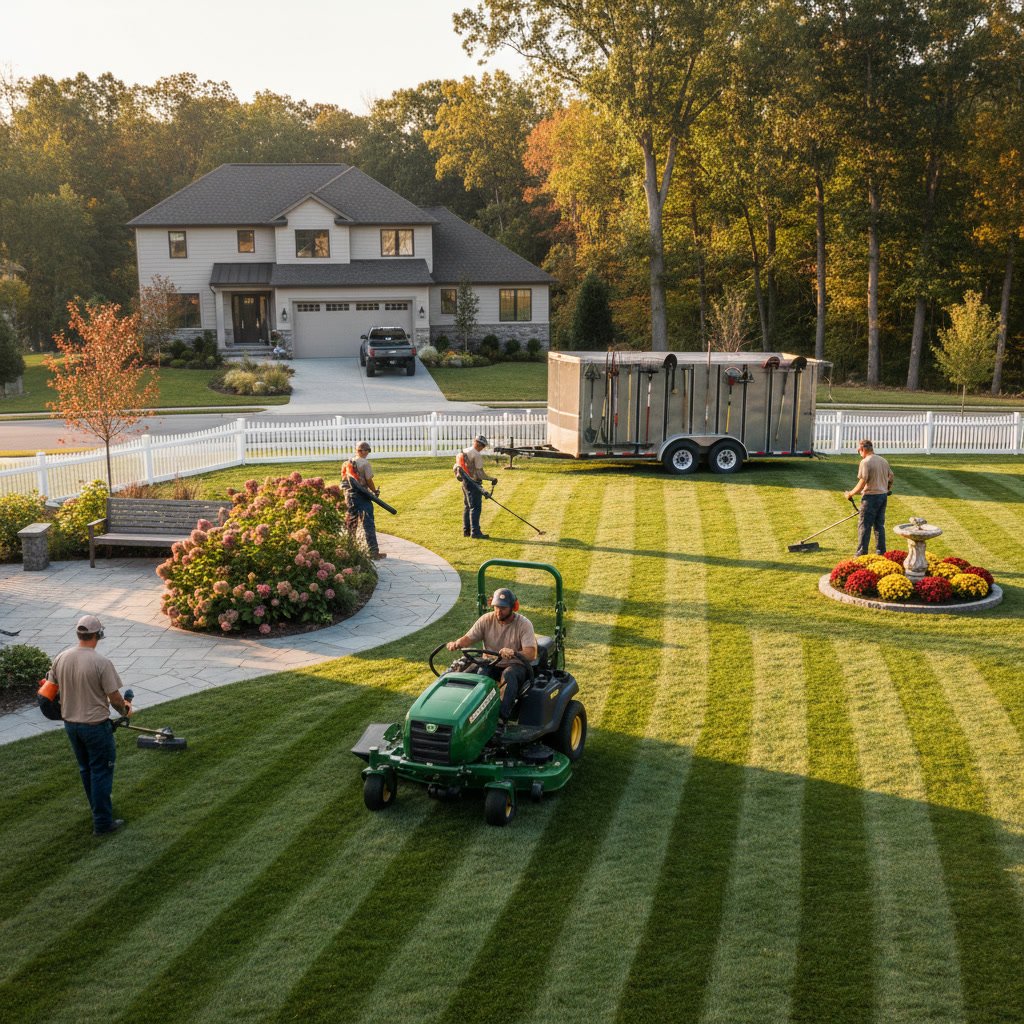
Experienced operators adjust speed, direction, and overlap patterns based on your specific lawn characteristics. They identify problem areas that need extra passes and avoid damaging irrigation heads, underground utilities, or landscape features. This expertise prevents costly mistakes and ensures uniform results.
Commercial equipment completes large properties in a fraction of the time required with rental units. Professionals also handle the physical demands of operating heavy machinery safely. The efficiency and quality difference justifies the cost for most homeowners who want reliable results without personal strain.
Protecting Your Investment with Regular Care
Aeration delivers the best results when paired with consistent lawn care practices. Mow at the proper height for your grass type, typically three to four inches for cool-season varieties. Taller grass develops deeper roots and shades out weeds naturally. Water deeply but infrequently to encourage roots to grow downward seeking moisture.
Test your soil every three years to monitor pH and nutrient levels. Aeration improves nutrient delivery, but grass still needs the right balance of elements to thrive. Lime applications correct acidity common in New England soils, while targeted fertilization addresses specific deficiencies revealed by testing.
Annual aeration maintains the gains achieved in previous years. Soil naturally recompacts over time, especially on properties with active families, pets, or regular entertaining. Scheduling service each fall ensures your lawn enters winter in optimal condition and emerges healthy each spring. J Landscape LLC offers comprehensive programs that include aeration as part of a complete lawn health strategy, drawing on two decades of professional experience to deliver results that last.
Your lawn deserves the benefits that proper aeration provides. If you notice thin grass, poor drainage, or hard soil anywhere on your property, professional treatment can reverse years of compaction damage and restore the thick, resilient turf you want. Contact us at +17742628973 to schedule an evaluation and discover how targeted aeration services transform struggling lawns into the vibrant outdoor spaces your home deserves.